


StackMap
Subscribe
Explore / taste-skill
Leonxlnx

taste-skill

Agent skill that art-directs coding agents into polished company websites — one design system, real photos and icons, restrained motion — verified in a real browser by a finish gate.

118,808 7,950 JavaScript MITupdated 11 days ago
View on GitHubDispute this mapping →
Curator's take

Install when your agent ships landing pages that all look like the same purple-gradient template: it enforces real art direction and checks the result in Chrome instead of trusting the agent's word. Opinionated by design — it imposes its own taste, so skip it when you already have a brand system to follow (feed that in instead) or when you're building app UI/dashboards rather than marketing sites. Needs Node 22+ and a local Chromium.

Mapped by ShipWithAI editors · links verified

Continue your stack

What teams reach for next — and why each earns a place beside taste-skill. Ranked by curator confidence.

pairs wellpairs wellalternativenpxskilluistop-slopdesigner-skillstaste-skill
pairs wellalternativebuilt withpick a node for the why · open it from the panel
Weekly digest
README.md1 min read

Taste Skill

Visit tasteskill.dev   New: TasteCode   MIT License   Changelog

TasteCode is here. Taste Skill as a desktop app, with a design agent built in. Free and open source. Download at tastecode.dev

Sponsors

Interfaces interfaces.dev · A design engineering magazine by Jakub Krehel
React Bits React Bits · animated React components for creative interfaces
IMG.LY IMG.LY · CreativeEditor SDK
Sent.dm Sent.dm · messaging APIs for SMS, WhatsApp, and RCS

Become a sponsor

Taste Skill (tasteskill 2.5.1) is an Agent Skill that makes coding agents build professional company websites at the figma.com and x.ai level instead of assembling a generic landing page. Every build uses plain copy, one design system, one section per screen, equal left and right edges, real photographs (licensed stand-ins when the client has none), real brand icons and real product UI, a hero entrance and one or two dealt moments on every page, quiet micro-interactions, and shader effects and scroll scenes kept strictly for tech, gaming and software pages, all verified in a real browser by a checker and a finish gate that enforce the rules.

Pages built from a single brief in earlier v2 runs:
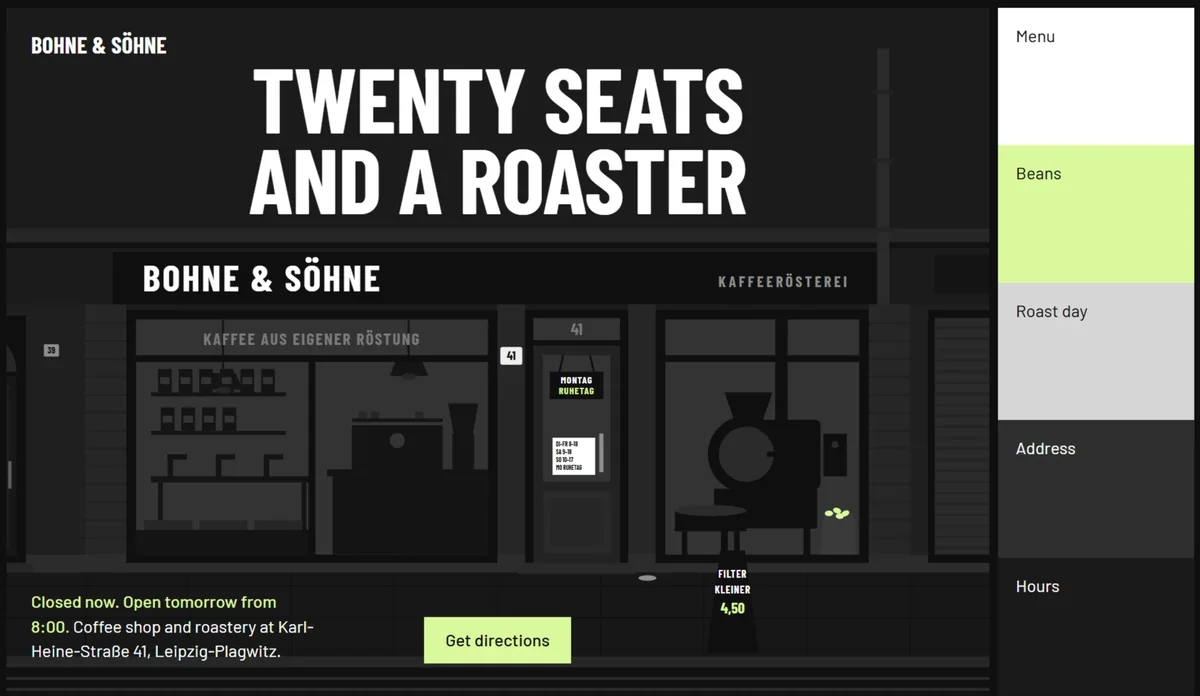
Coffee shop page with a drawn storefront as its hero