Stop building your AI stack from 40 open tabs.
A curated map of open-source AI & agent tools — and what actually pairs with what.
Every connection is a typed, human-reviewed relationship — with the why written down. How we curate →
Start here: Build a coding agent →
306 repos · 21 topics · curated by ShipWithAI · new: xybrid, watermarks-remover, serena →
new: your agent can query the map — npx -y @ship-with-ai/stackmap-mcpconnect →

 xybrid-ai 425 · yesterday
Cross-platform on-device AI toolkit: run LLMs, ASR and TTS natively from Flutter, Unity, Kotlin, Swift or Rust on a llama.cpp and ONNX Runtime core. Private, offline, no cloud.
 guillaumemeyer 17.4k · yesterday
Agent skill plus local service that strips AI provenance marks: invisible Unicode and bidi characters, statistical text watermarks, and C2PA/EXIF/XMP metadata across 20+ file formats.
 oraios 28.4k · 4 days ago
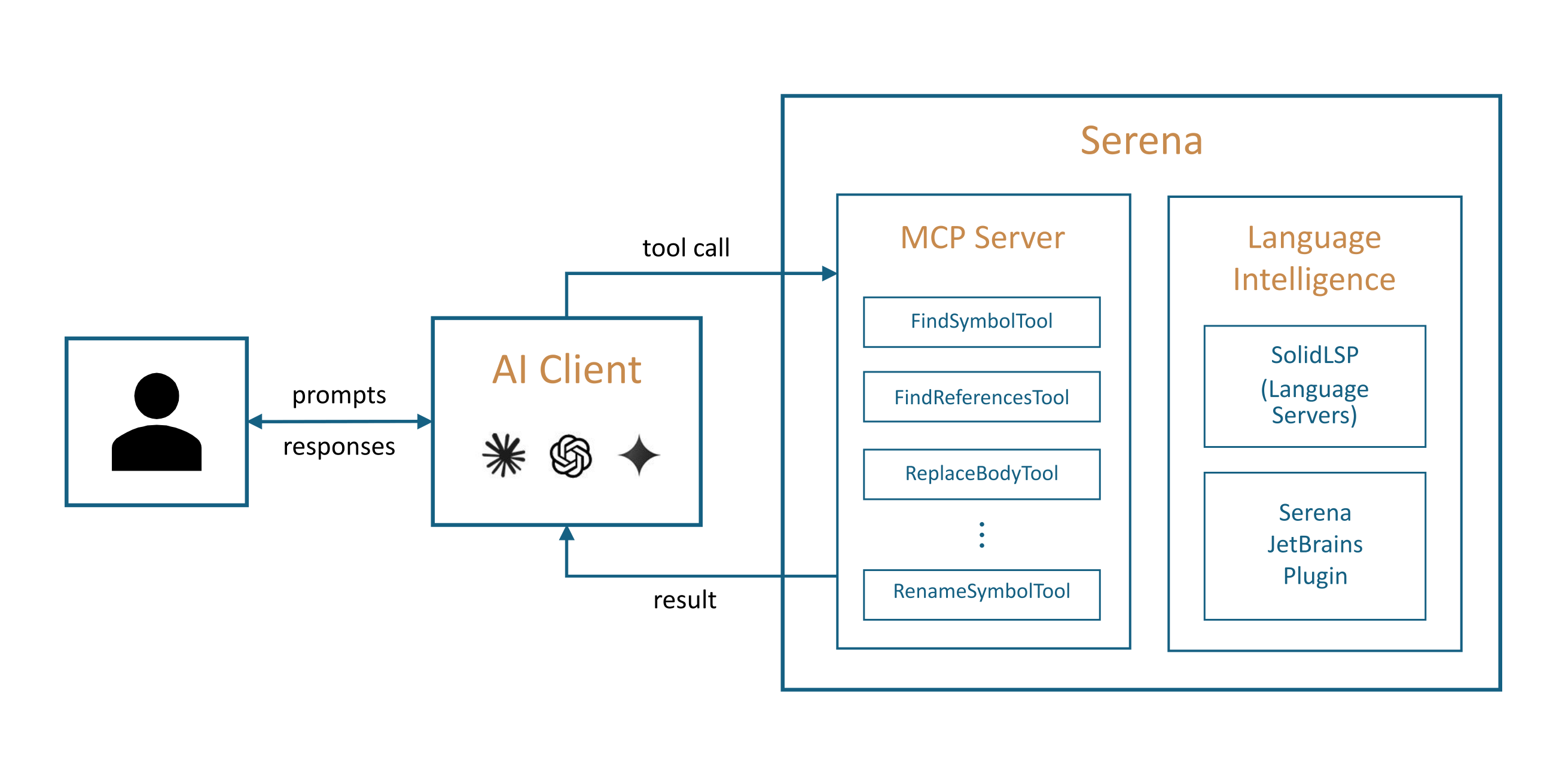
The IDE for your coding agent: an MCP toolkit giving symbol-level retrieval, editing, refactoring and debugging over real language servers — or a JetBrains plugin backend.
 growgraph 228 · 14 days ago
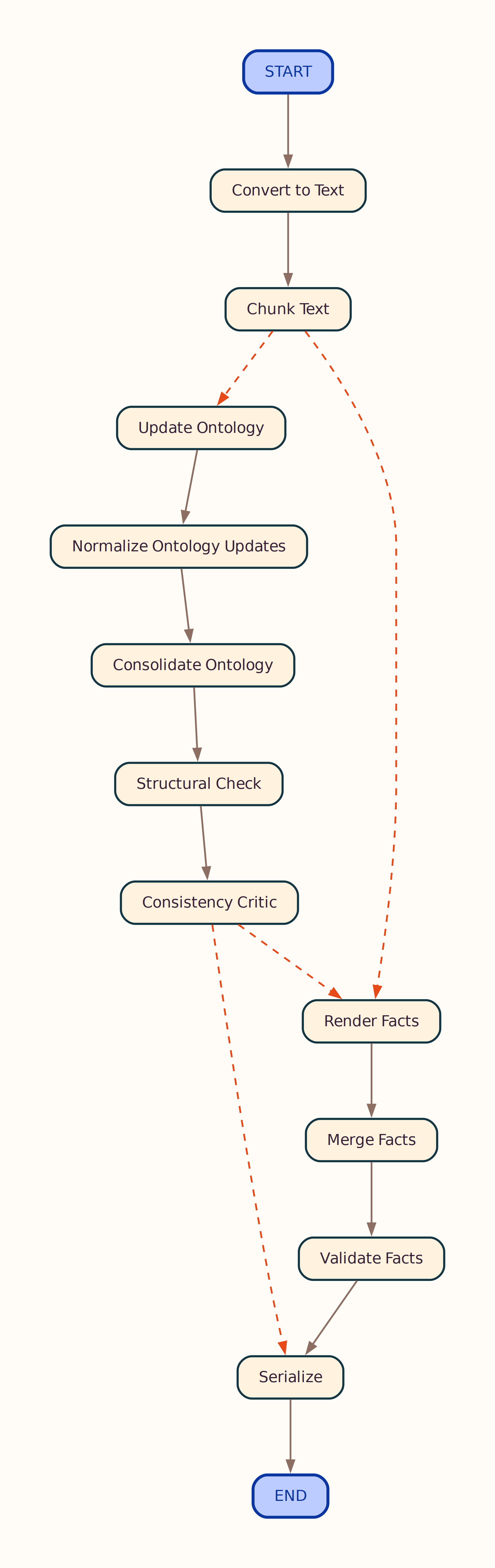
Agentic ontology-assisted RDF extraction: co-evolves domain ontologies and fact graphs in a map/reduce pipeline with RDF 1.2 provenance, entity disambiguation and SHACL autofix.
 AmazingAng 667 · 6 days ago
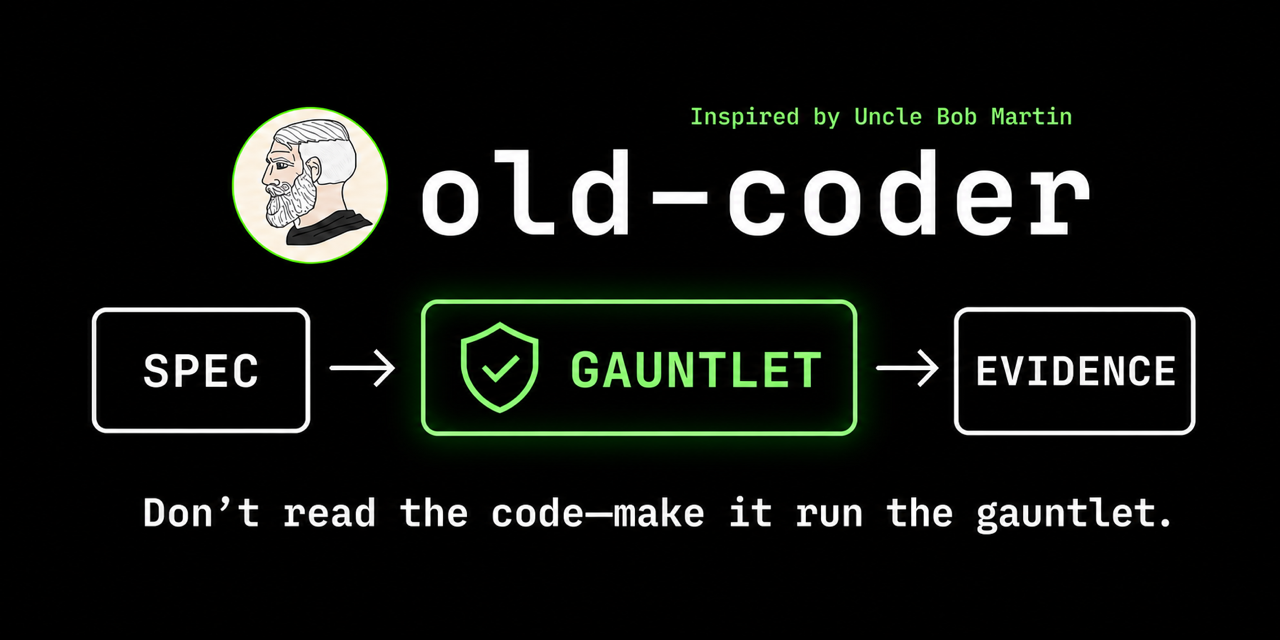
Uncle Bob's strategy as a skill: the agent writes a SPEC you approve, then runs a gauntlet — tests, mutation, property-based, coverage, supply chain — and hands you an evidence report instead of code.

 typedef-ai 665 · 3 days ago
Semantic DataFrames: PySpark-style select, filter and join alongside AI operators — extract, classify, summarize, embed, semantic join — compiled on an engine built for inference.
 slothflowlabs 1.2k · yesterday
Self-hosted ETL/ELT on DuckDB: author pipelines on a canvas, in SQL or Python, then ship the same file to your own server — 190+ sources, dbt, CDC, lineage, and an MCP server for agents.

 mindee 6.3k · 3 days ago
docTR: two-stage OCR in PyTorch — detect words, then recognize them — with pretrained detection and recognition architectures you can mix, plus layout detection and rotated-page handling.

 docling-project 797 · 5 days ago
Documents to validated knowledge graphs: Docling parses, an LLM or VLM fills Pydantic schemas, and you get a directed NetworkX graph with provenance, Cypher/CSV export and HTML views.
 deepseek-ai 187.9k · 3 days ago
DeepSeek's open agent harness (`dsh`): everything is a plugin, on the Cordis composability runtime, with a local web UI one npx away. Developer preview, MIT, moving fast.
 zeronsh 1.1k · yesterday
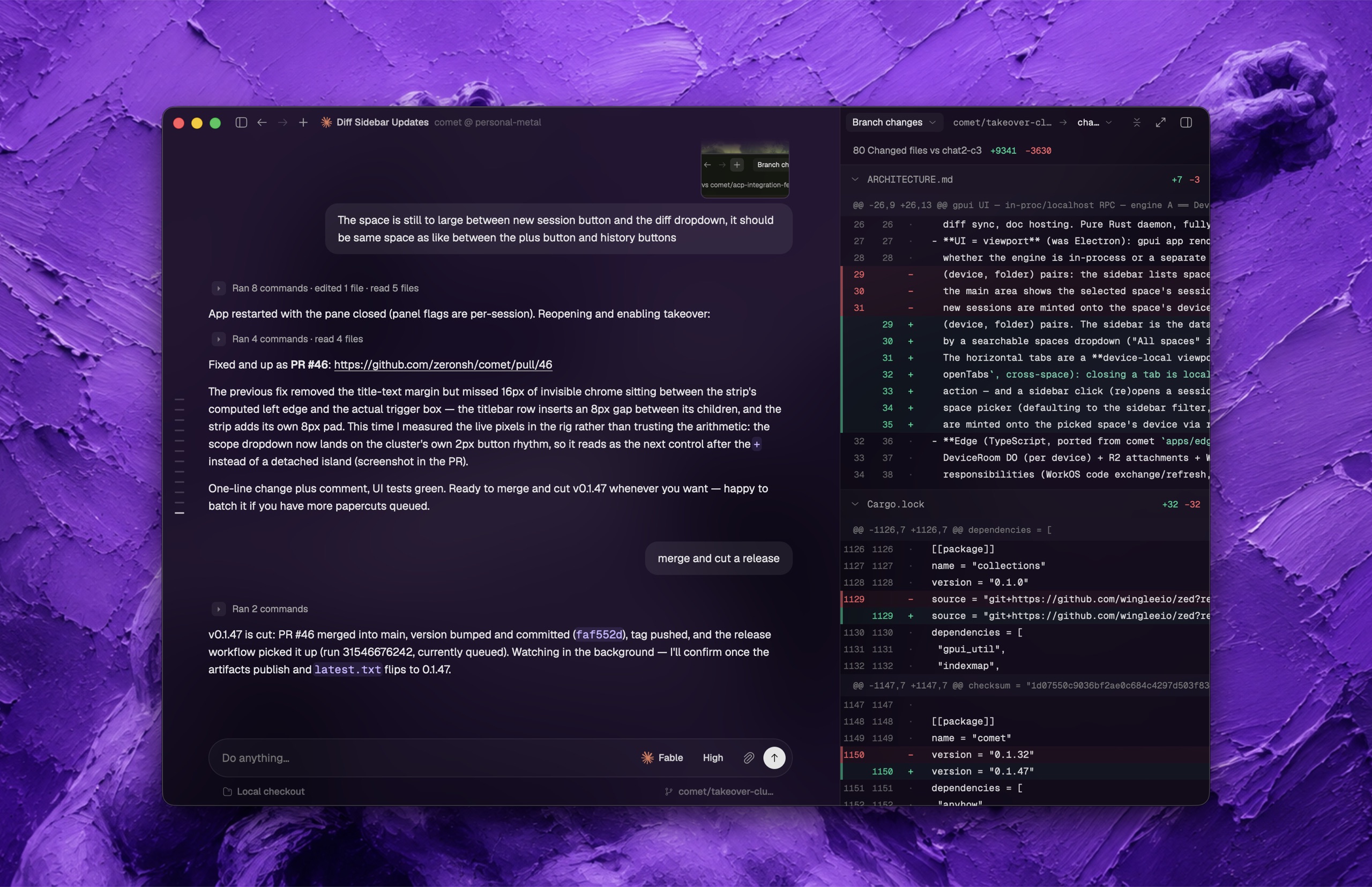
Zeron: control Claude Code, Codex, Cursor, Grok, Hermes and Pi from a local Rust daemon — sessions live on the device, with optional sign-in to drive them from another machine.

 Helldez 395 · 7 days ago
Run MoE models bigger than your RAM: keep the always-needed weights resident and stream each token's experts from flash — a 284B model on a 12 GB phone, CPU only, byte-identical output.
 The-Knowledge-Graph-Guys 224 · 1 months ago
An open spec for Markdown vaults as linked data: YAML-LD frontmatter plus a shared @context makes notes an RDF graph, with reference scripts that round-trip vault to Turtle and back.

 truefoundry 3.5k · 2 days ago
TrueFoundry's open agent harness: the runtime loop — model calls, MCP tools, SKILL.md packs, sandboxing, approvals, compaction — behind a chat UI, HTTP API, TypeScript SDK and embeddable UI.
 superloglabs 1.4k · 3 days ago
Agentic observability for OpenTelemetry: ingest traces, logs and metrics, group noisy signals into incidents, then let pluggable agent runners investigate while you sleep. Self-hosted, open-core.
 andrewyng 14.9k · 2 days ago
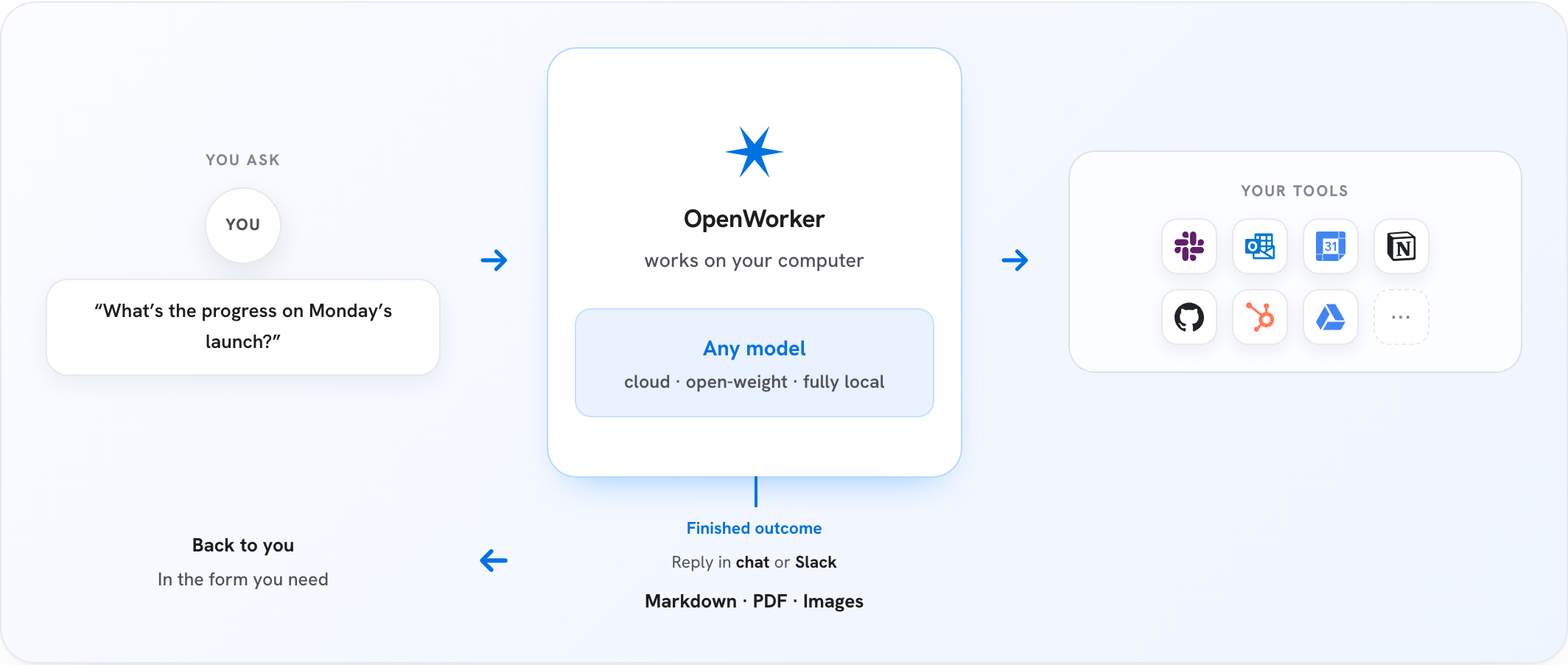
Andrew Ng's local-first desktop AI coworker: give it an outcome and it works across your files, terminal and 25+ apps — Slack, Jira, Notion, Gmail — then hands back the finished deliverable.
 harry0703 114.6k · 2 days ago
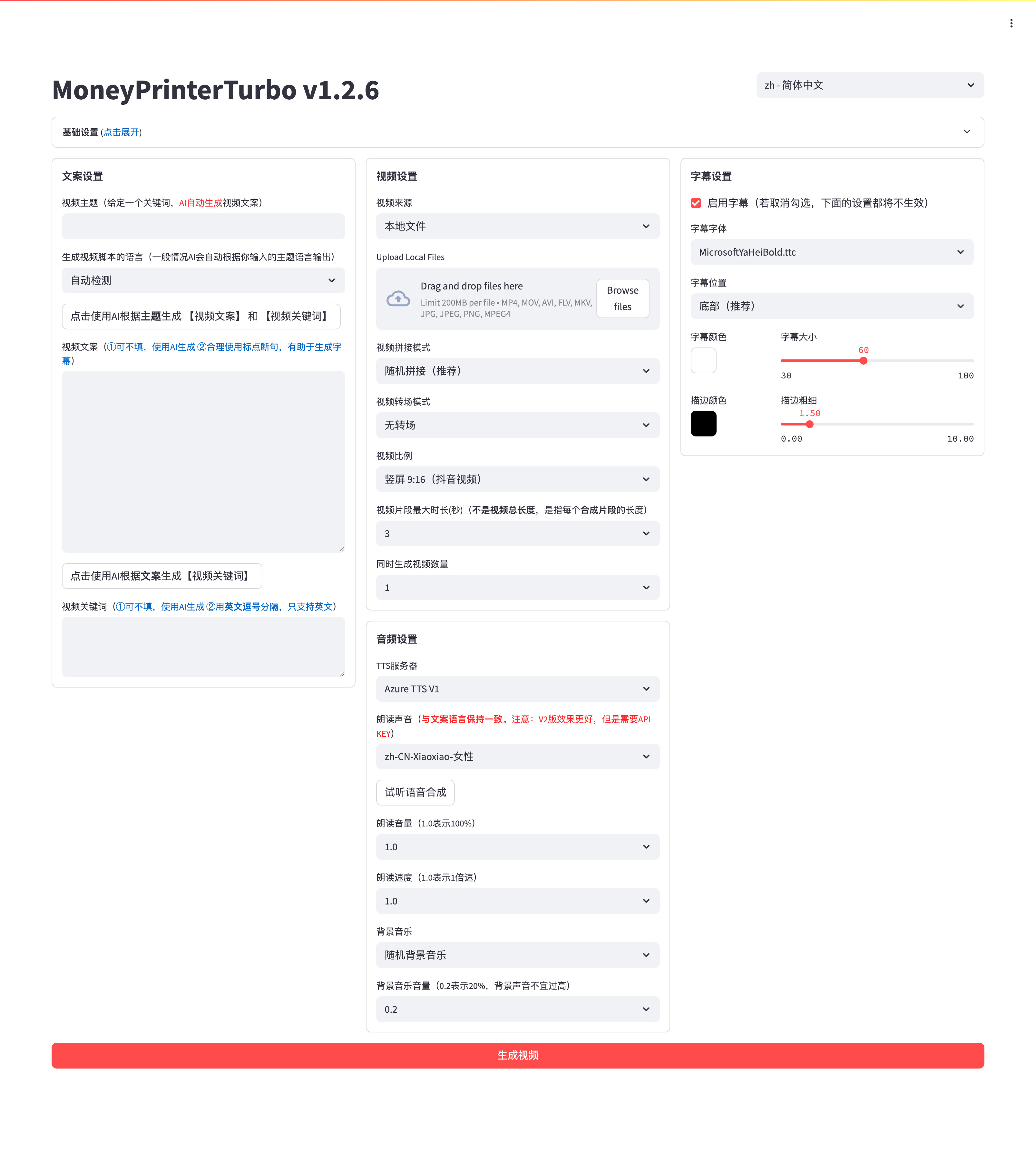
Topic in, finished short out: an LLM writes the script, footage comes from Pexels/Pixabay or text-to-video, then TTS, subtitles and music compose into HD 9:16 or 16:9. WebUI, API and CLI.

 mex-memory 1.5k · 2 days ago
A living wiki for your codebase, written by your coding agents: a Tree-sitter graph grounds structured Markdown notes, task-aware routing loads only what's needed, and drift checks catch stale claims.
 EverMind-AI 12.3k · 7 days ago
One portable memory layer for every agent: conversations, files and trajectories kept as canonical Markdown, indexed locally by SQLite and LanceDB, with offline reflection that refines them.
 aws 630 · 4 days ago
AWS's ontology-based context layer: scan your sources, induce ontologies, then serve validated context to agents over MCP — SPARQL federation, a virtual knowledge graph and OWL reasoning.
 CopilotKit 895 · 2 days ago
Mock everything an AI app talks to: 13 providers across 15 API surfaces plus MCP, A2A, AG-UI, vector DBs, search and rerank on one local port — with record-and-replay fixtures.

 volcengine 31.8k · 2 days ago
Volcengine's context database: memories, resources and skills as one `viking://` filesystem agents ls, tree and grep — L0/L1/L2 tiers, traceable retrieval, sessions distilled into memory.

 heygen-com 42k · 2 days ago
Write HTML, get MP4: HeyGen's agent-native video framework renders deterministic GSAP/Puppeteer/FFmpeg compositions, shipping 20 skills and MCP so coding agents author motion graphics.
 microsoft 16.8k · 3 days ago
Microsoft's AI data-visualization workbench: connect files, DBs or Databricks, ask in plain language, and agents write the transforms behind 30+ chart types you branch and restyle.

 c2g-dev 1.8k · 6 days ago
Turns buildings, streets, GTFS/GBFS feeds and origin-destination flows into spatial heterogeneous graphs, round-tripping GeoDataFrames, NetworkX and PyTorch Geometric for GNNs.
 neo4j-labs 478 · 4 days ago
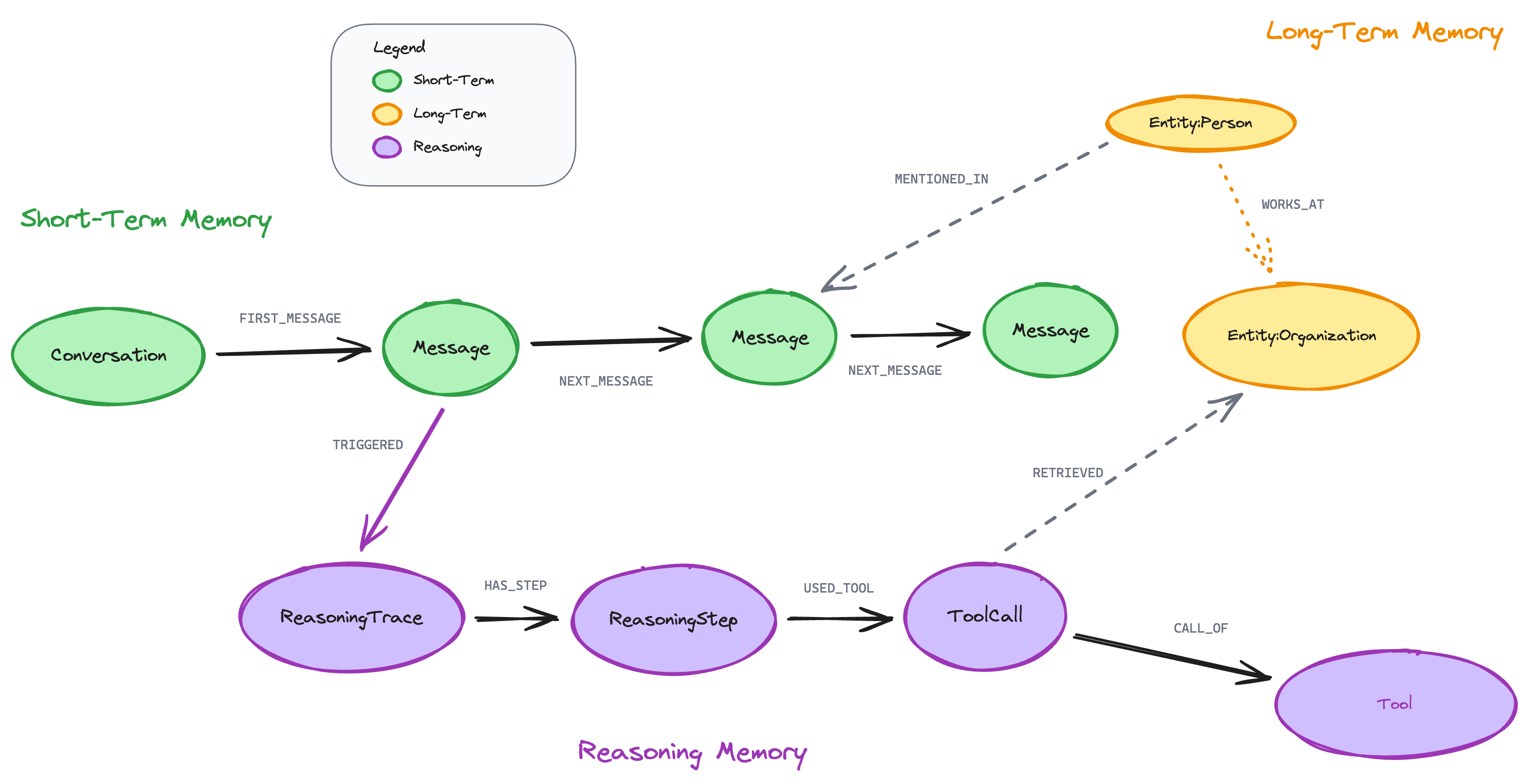
Neo4j Labs' graph-native agent memory: conversations, a POLE+O entity knowledge graph and reasoning traces in one store, with a 16-tool MCP server and hosted or self-hosted backends.

 PeterGriffinJin 5.3k · 9 months ago
RL framework for training reasoning-and-search interleaved LLMs — the open recipe behind DeepSeek-R1-style search agents: PPO/GRPO on veRL, any search backend, models and data on HF. Two papers.

 TraderAlice 6.6k · 4 days ago
Local trading workspace that makes coding agents into trading agents: git workspaces, markdown issues, an Obsidian-like memory graph, market tools and approval-gated trading primitives.

 opengeos 3.3k · 7 days ago
Python package bridging deep learning and geospatial data: train and apply classification, detection and segmentation models on satellite and aerial imagery. JOSS paper, conda-forge, QGIS plugin.
 FellouAI 5k · 5 months ago
Production JavaScript framework for agentic workflows: one sentence becomes a dependency-aware multi-agent plan that runs in browser, Node, or extension — with pause/resume and snapshot recovery.
 mohi-devhub 1.1k · 24 days ago
Claude Code skill that turns any code — AI-generated, legacy, or unfamiliar — into educational deep dives or senior-level architectural audits, tuned by skill level and token budget.
 hardikpandya 16k · 5 months ago
A skill file that removes AI tells from prose: ~30 banned phrases across 7 categories, 8 banned structural patterns, and a 50-point scoring rubric that forces revision below 35. Zero dependencies.
 microsoft 3.3k · 12 days ago
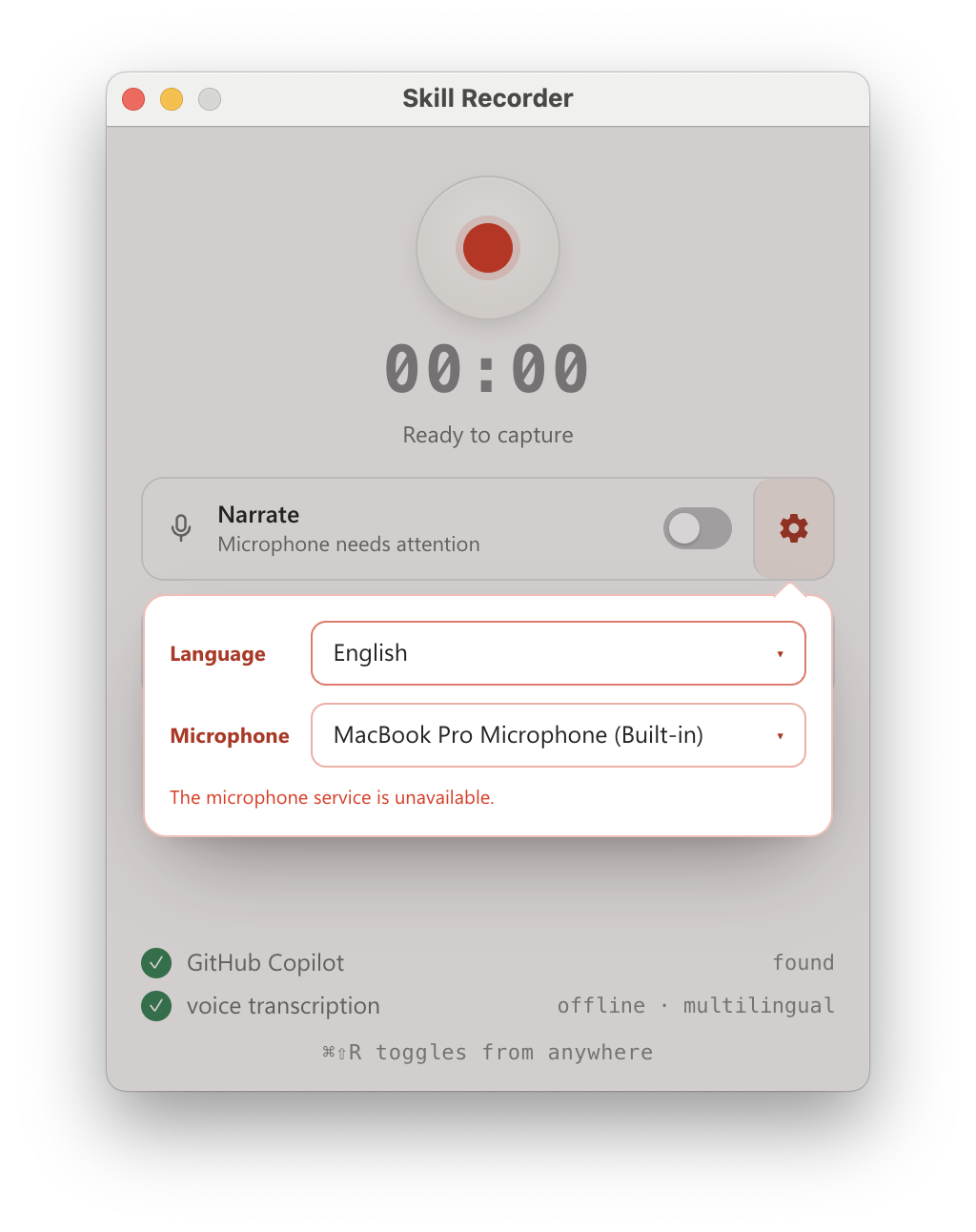
Desktop app that records a real work session — clicks, apps, pages, narration — and uses Copilot CLI to reconstruct intent + steps, then generates a reusable SKILL.md or scheduled Automation.
 vxcontrol 21.9k · 18 days ago
Self-hosted autonomous pentesting: multi-agent system in sandboxed Docker with 20+ tools, supervised agent hierarchies, Langfuse observability and a Graphiti knowledge graph. 10+ LLM providers.

 Kritt-ai 1.9k · 5 days ago
Self-hosted platform orchestrating AI agents for vulnerability research: chain focused prompts into reusable workflows, run them in parallel over Codex or Claude Code, dedupe and rank findings.

 morphik-org 3.7k · 1 months ago
Multimodal retrieval engine for visually rich documents: ingestion, visual-first search over charts, tables and diagrams, knowledge graphs and cache-augmented generation — one engine, not a pipeline.
One email a week: what changed in the AI stack
New repos, new typed connections, the why behind each. No spam, unsubscribe anytime.