Local / Inference
Run and serve open models on your own hardware.
 mikehasa 755 · 3 days ago
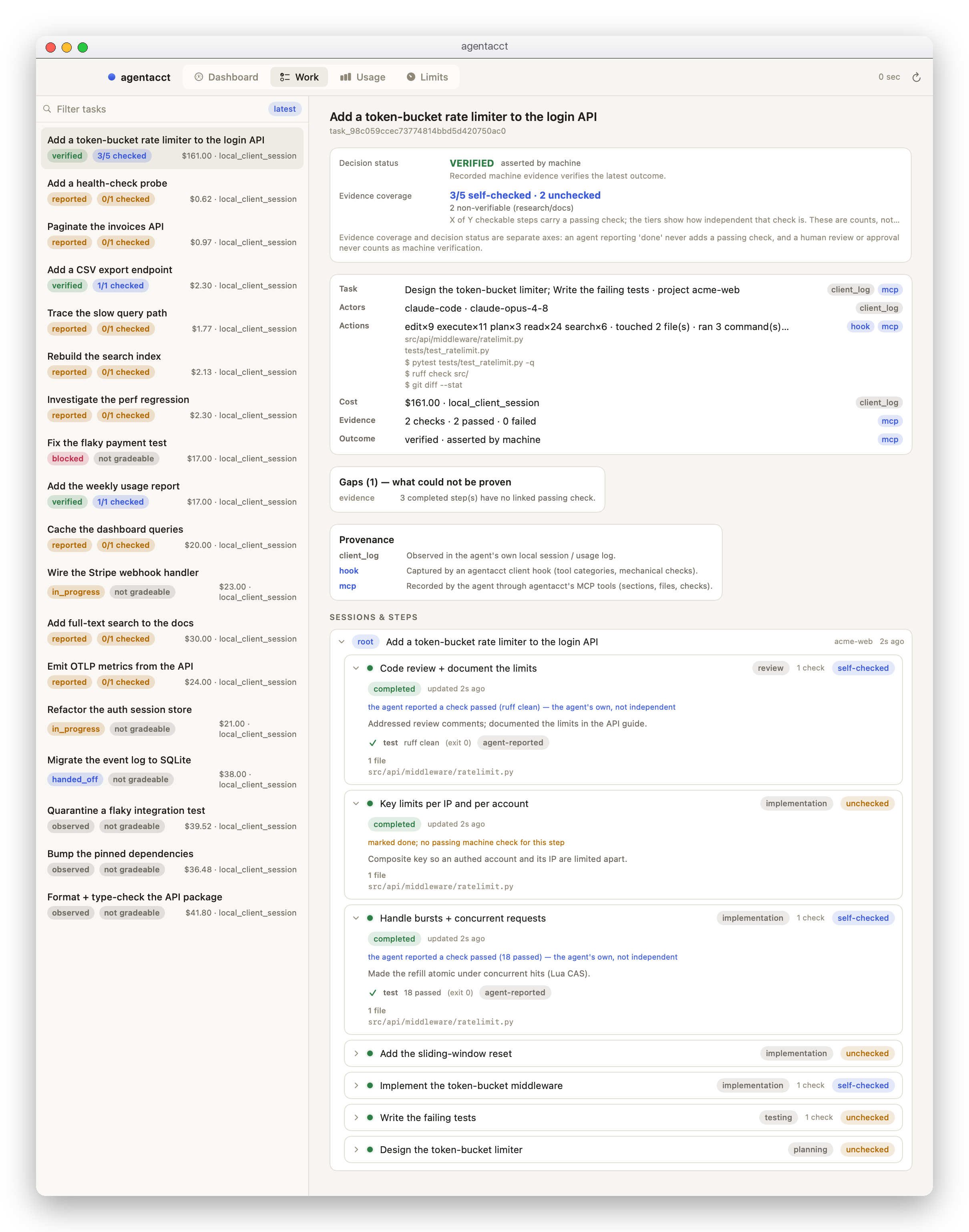
Local-first work receipts for coding agents: reads the session logs Claude Code, Codex, OpenCode and Hermes already write and reports what each task did, what it cost, and whether a check proved it.

 vllm-project 301 · 3 days ago
Rust gateway that gives vLLM a stateful, OpenAI-compatible Responses API: server-side conversation state, server-side tool loops, SSE and WebSocket streaming, background runs — Codex-ready.
 eunomia-bpf 710 · 18 days ago
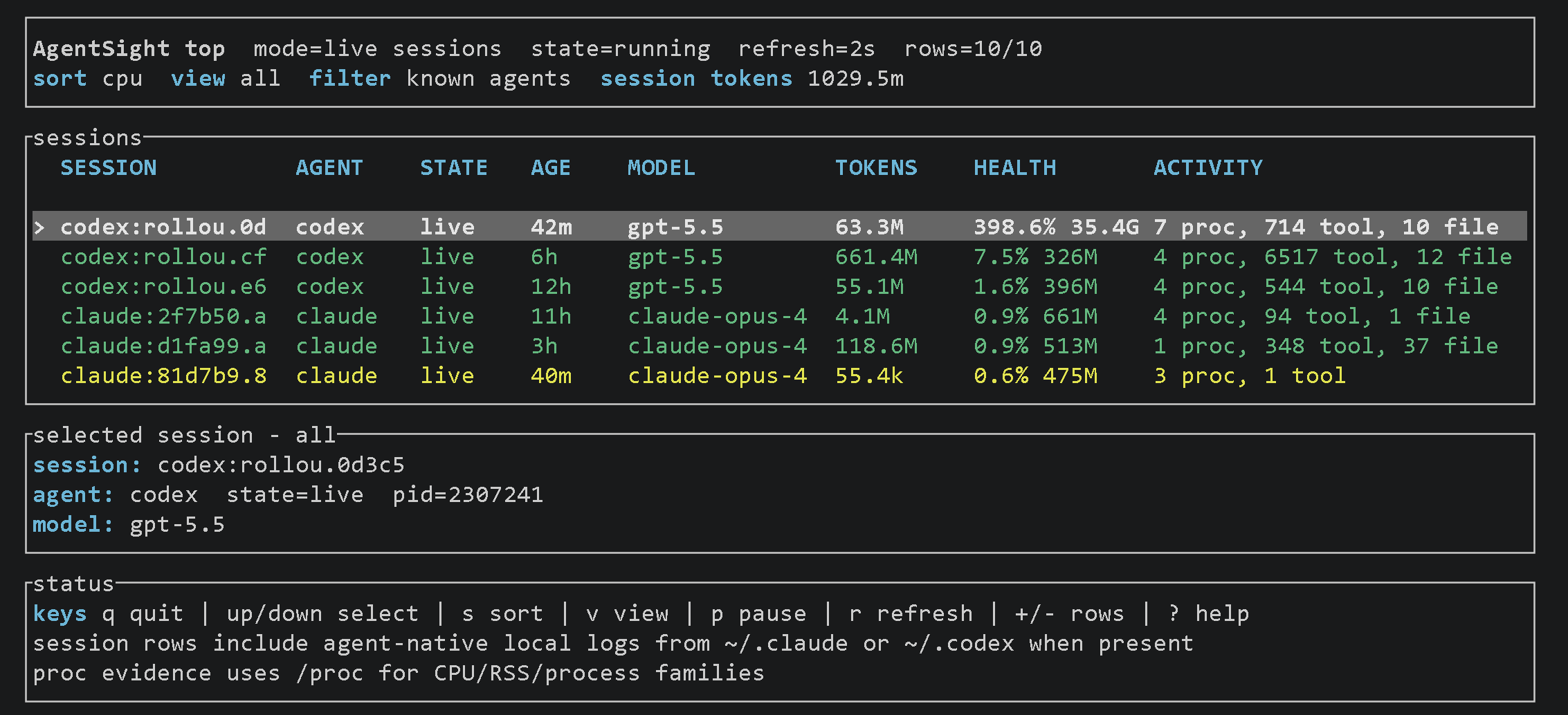
System-level observability for AI agents via eBPF and TLS tracing: correlates prompts and model calls with the processes, files and network the agent actually touched — no SDK, no proxy.

 lyogavin 35.1k · 3 days ago
Layer-by-layer inference that runs 70B models on a 4GB GPU — no quantization required; 405B on 8GB, DeepSeek-V3 671B on ~12GB. One AutoModel line for most open model families.
 nokia-applied-research 998 · 3 days ago
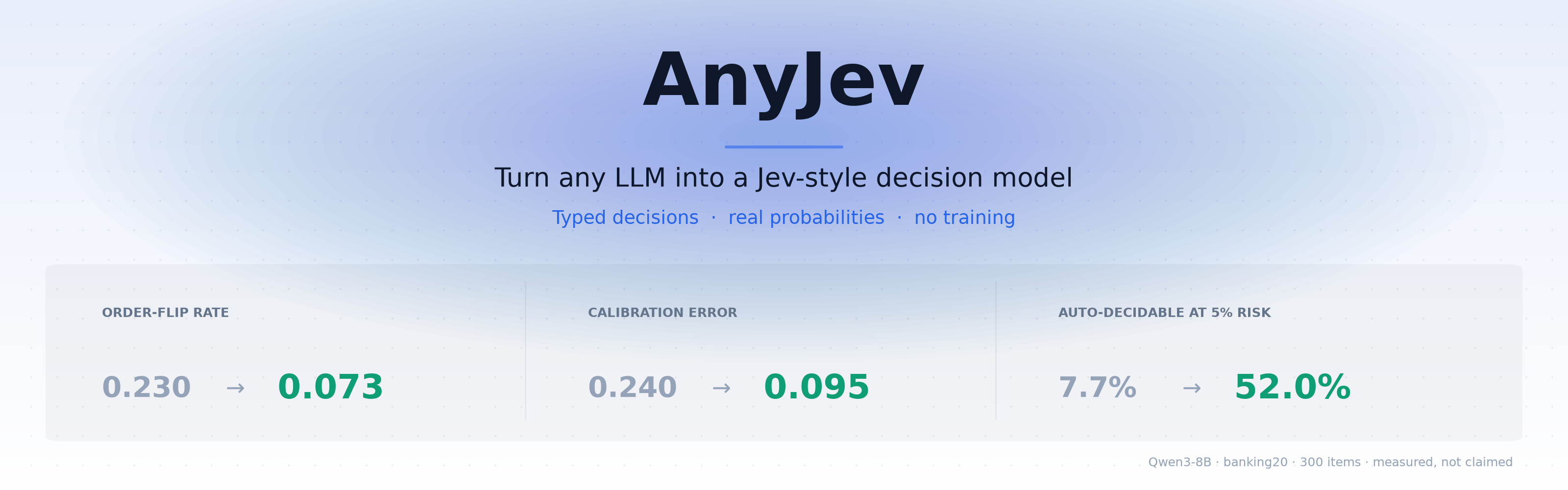
Nokia research: turn any open LLM into a Jev-style decision model. Typed choice, yes/no or score from one prefill, de-biased with no labels or a fitted head, served on vLLM.
 arcboxlabs 4.3k · 3 days ago
Open-source container and VM runtime for macOS in pure Rust: drop-in Docker engine, sub-100ms agent sandboxes (`abctl claude`), full Linux VMs and throwaway macOS guests on one daemon.

 Helldez 595 · 3 days ago
Run MoE models bigger than your RAM: keep the always-needed weights resident and stream each token's experts from flash — a 284B model on a 12 GB phone, CPU only, byte-identical output.

 claraverse-space 3.9k · 1 months ago
Self-hosted private AI workspace: chat, multi-agent crews with human review, a visual workflow builder and Telegram integration in one app — local models via Ollama/llama.cpp or your own keys.
 cocoindex-io 2.7k · 9 days ago
AST-based semantic code search for coding agents: pipx install, zero config, local embeddings out of the box — a CLI/skill/MCP that cuts agent context ~70% vs grepping. Built on CocoIndex.
 DeusData 45.3k · 3 days ago
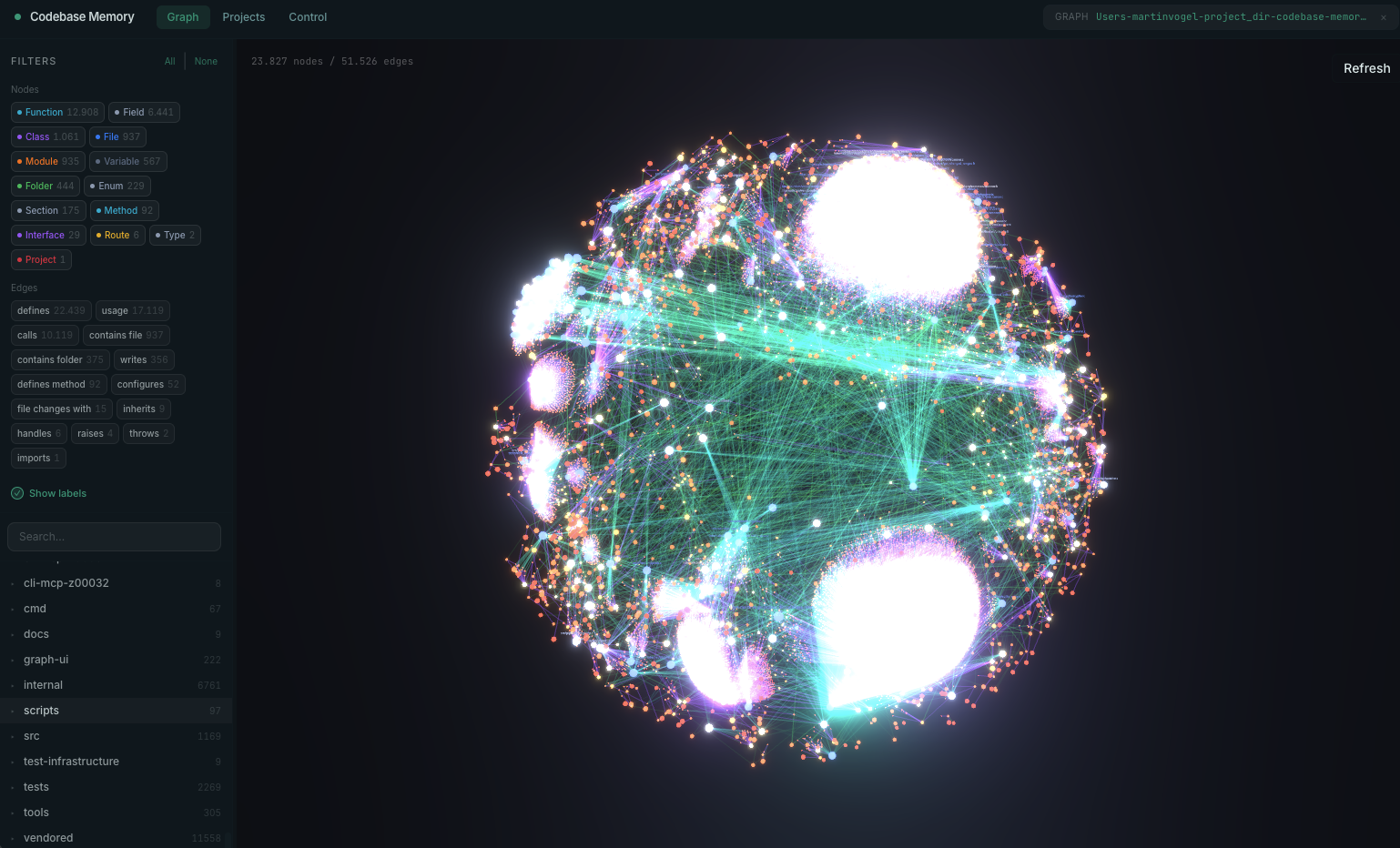
Code intelligence MCP in pure C: tree-sitter knowledge graph over 158 languages, average repo indexed in milliseconds, sub-ms queries, 10x fewer tokens. Single static binary, zero deps.

 getagentseal 11.3k · 4 days ago
Local-first cost ledger for AI coding: reads the session files 36 tools already write and breaks every token and dollar down by task, model, project. TUI, web, desktop, menubar — no proxy, no keys.

 JustVugg 38.1k · 3 days ago
Pure-C, zero-dep MoE runtime that runs GLM-5.2 (744B) on a 25GB-RAM consumer box by streaming experts from disk — VRAM/RAM/NVMe as one tiered hierarchy, never touching precision.
 apple 2.2k · 5 days ago
Apple's official Core AI toolkit: recipes exporting Hugging Face models to .aimodel, PyTorch primitives for authoring, Swift runtime for macOS/iOS apps — plus skills for coding agents.

 TencentCloud 12.7k · 3 days ago
Hardware-isolated microVM sandboxes for AI agents — sub-60ms boot, <5MB overhead, E2B-compatible API, self-hosted on your own KVM nodes.

 EXXETA 360 · 3 days ago
Local-first agentic runtime with persistent AI rooms and approval-gated memory: every memory write needs your OK; rooms, KB and artifacts are plain files on disk.

 deeplethe 2.9k · 17 days ago
fork() for agent microVMs: children fork copy-on-write from a warm Firecracker parent — 100 KVM-isolated VMs in ~100ms, live-VM branching in ~56ms, portable snapshots from a hub.

 FlashML-org 13.9k · 5 days ago
Edge-native MoE serving engine: bandwidth-adaptive CPU-GPU co-execution, global LRU expert caching and elastic VRAM run 290B+ frontier MoE models on a gaming PC at interactive speed.
 marcelroed 4.1k · 29 days ago
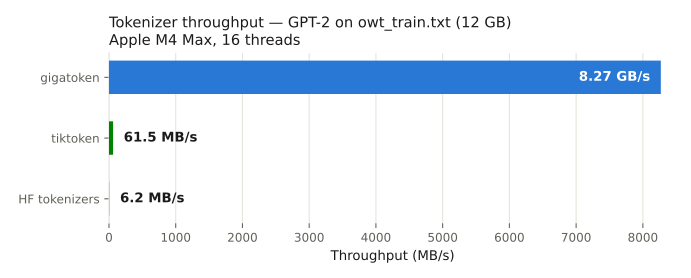
Tokenization at GB/s: ~1000x faster than HuggingFace tokenizers with drop-in compatibility modes for HF and tiktoken — Rust reading your files directly. pip install gigatoken.

 zzet 1.8k · 3 days ago
Code-intelligence engine in one static Go binary: tree-sitter graph over 257 languages, compiler-grade resolution for 17, multi-repo, 175 configurable MCP tools — up to 50x fewer tokens. 100% local.
 gridex 1.5k · 24 days ago
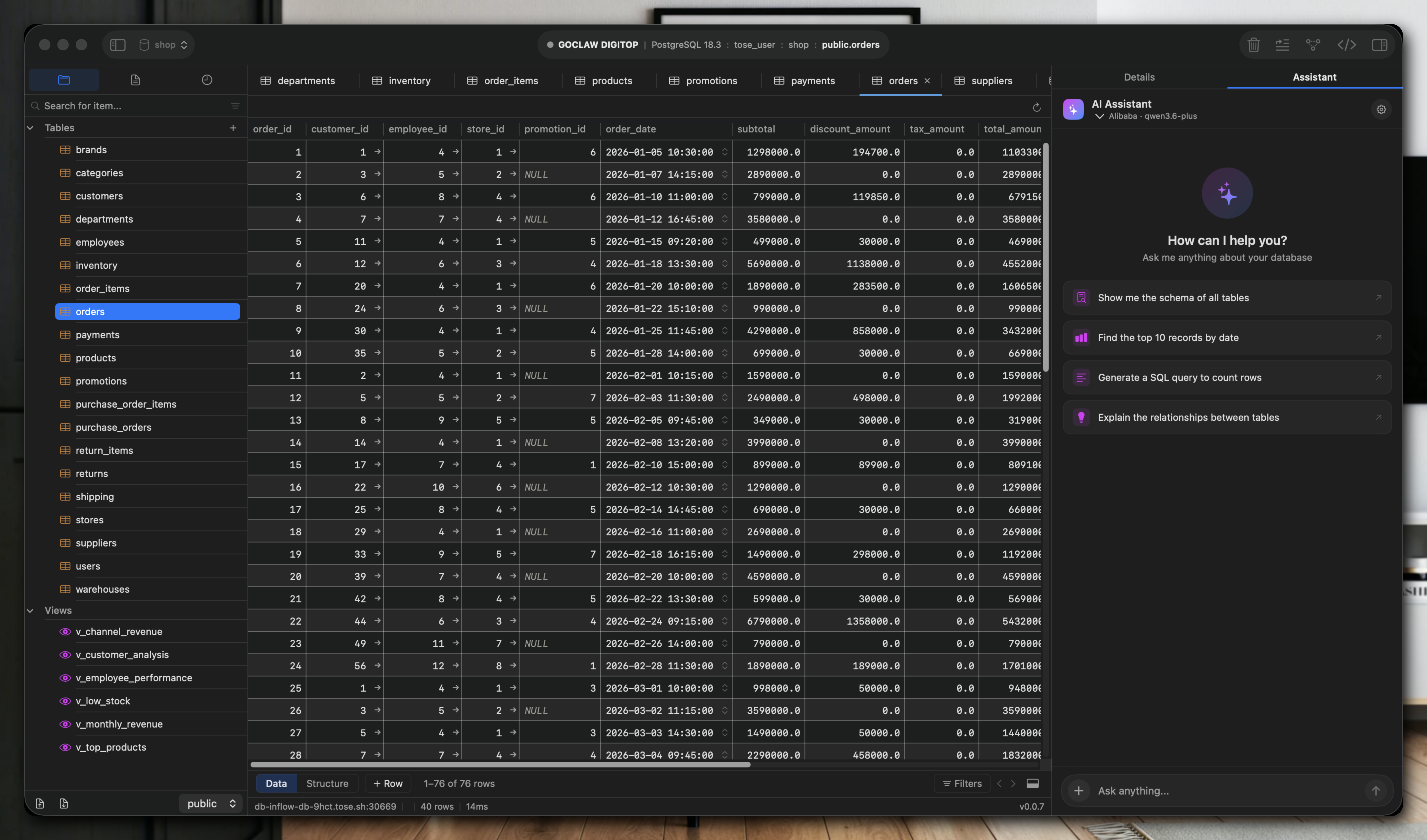
Native database IDE for Postgres, MySQL, SQLite, Redis, MongoDB, SQL Server and ClickHouse, with a built-in MCP server — 13 tools, 3-tier permissions, audit trail — and schema-aware AI chat.
 antirez 2.8k · 1 months ago
antirez's C/Metal engine running MiniMax-H3 video and audio generation natively on Apple Silicon — interactive prompting, 4-step schedules, SSD block streaming down to ~2 GB DiT residency.

 cjpais 32.4k · 3 days ago
Push-to-talk offline dictation: hotkey, speak, text lands in whatever field has focus. Whisper or Parakeet fully on-device; cross-platform Rust/Tauri, built to be forked.
 jaredpalmer 7.6k · 3 days ago
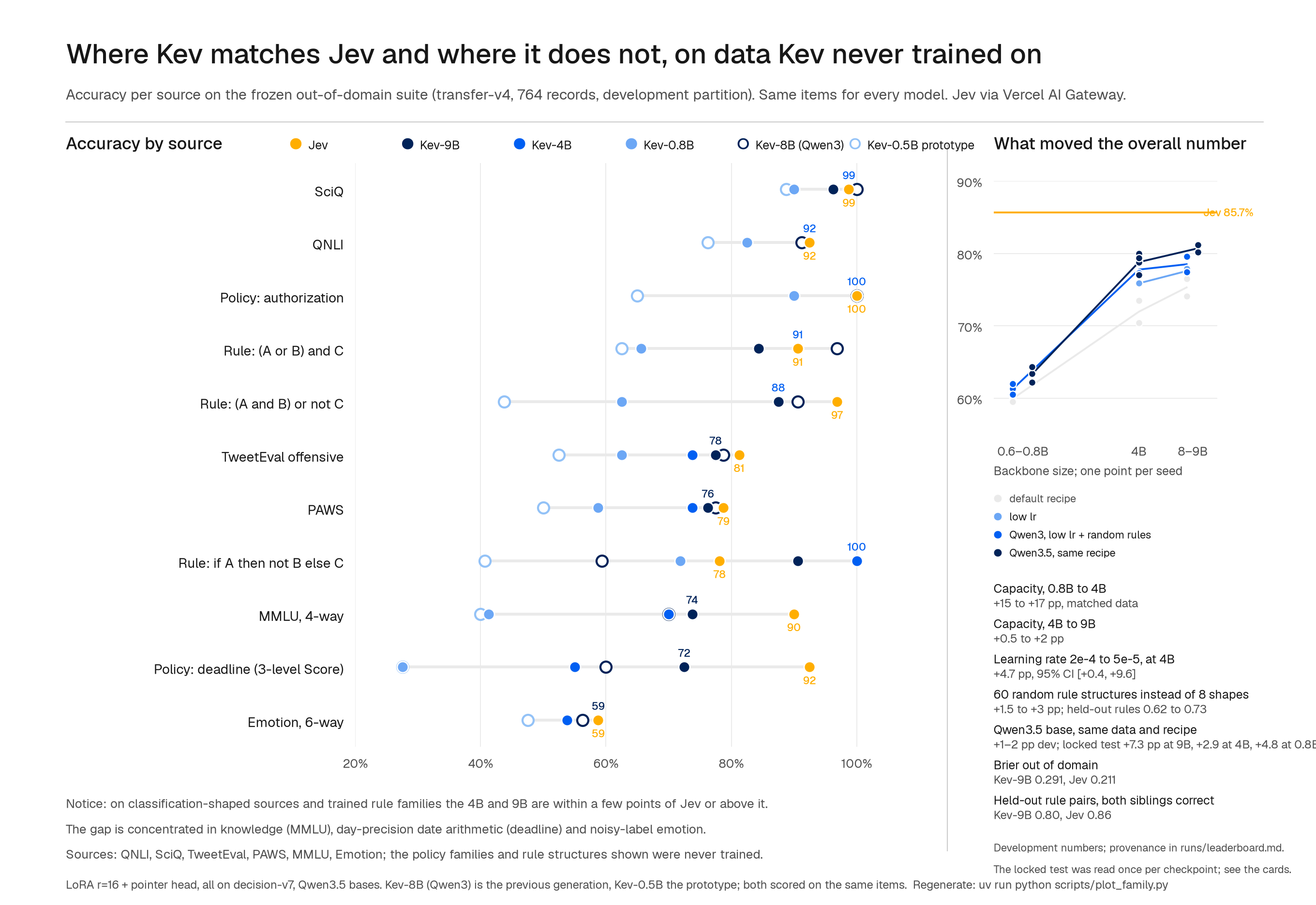
Open reproduction of TypeSafe's Jev: a LoRA + readout head on Qwen that answers many typed questions about one document in a single prefill pass, returning calibrated probabilities.

 FareedKhan-dev 8.8k · 9 days ago
Kimi K3 (2.78T-parameter MoE) inference in portable C99 on one CPU: the dense trunk stays in RAM, 4-bit experts stream from disk, and output is byte-identical from 8 GB to 224 GB.
 rahulnyk 4.1k · 1 months ago
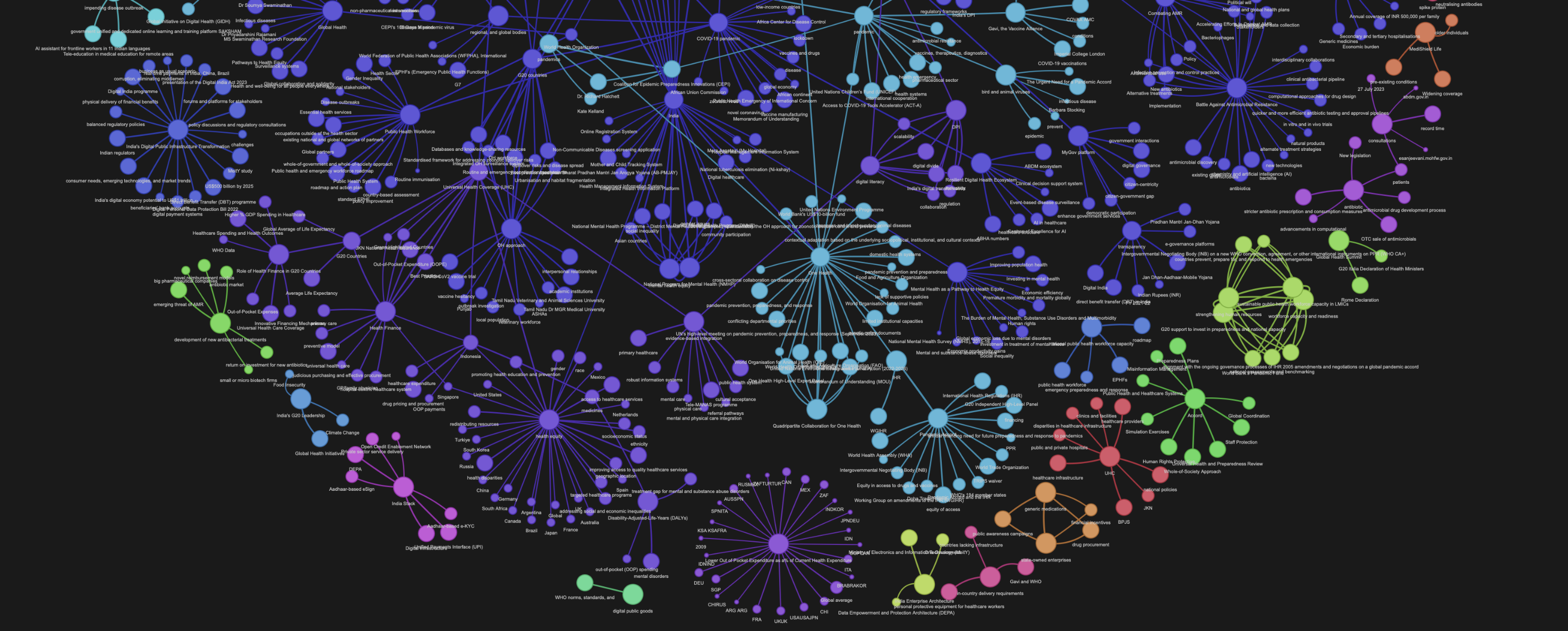
Notebook recipe that turns any text corpus into a concept graph with a local Mistral 7B via Ollama — chunk, extract concepts and relations, add proximity edges — for Graph RAG and KG QA.

 ovg-project 1.5k · 6 days ago
Virtualized, elastic KV cache for LLM serving on shared GPUs: reserve virtual memory, back it with physical GPU memory only when used — vLLM and SGLang, with a memory-limit CLI, router and sleep mode.
 jeffhajewski 694 · 8 days ago
Embedded single-file graph database in Zig: graph traversal, HNSW vector search and BM25 full-text in one query language, plus a durable event log — built for Graph RAG and local agent memory.

 NandhaKishorM 29.8k · today
Non-autoregressive decision engine: typed choice, score and yes/no answers over text in one forward pass (~33 ms), 100+ languages, calibrated probabilities, a router picking the checkpoint.
 ashuttl 563 · 3 days ago
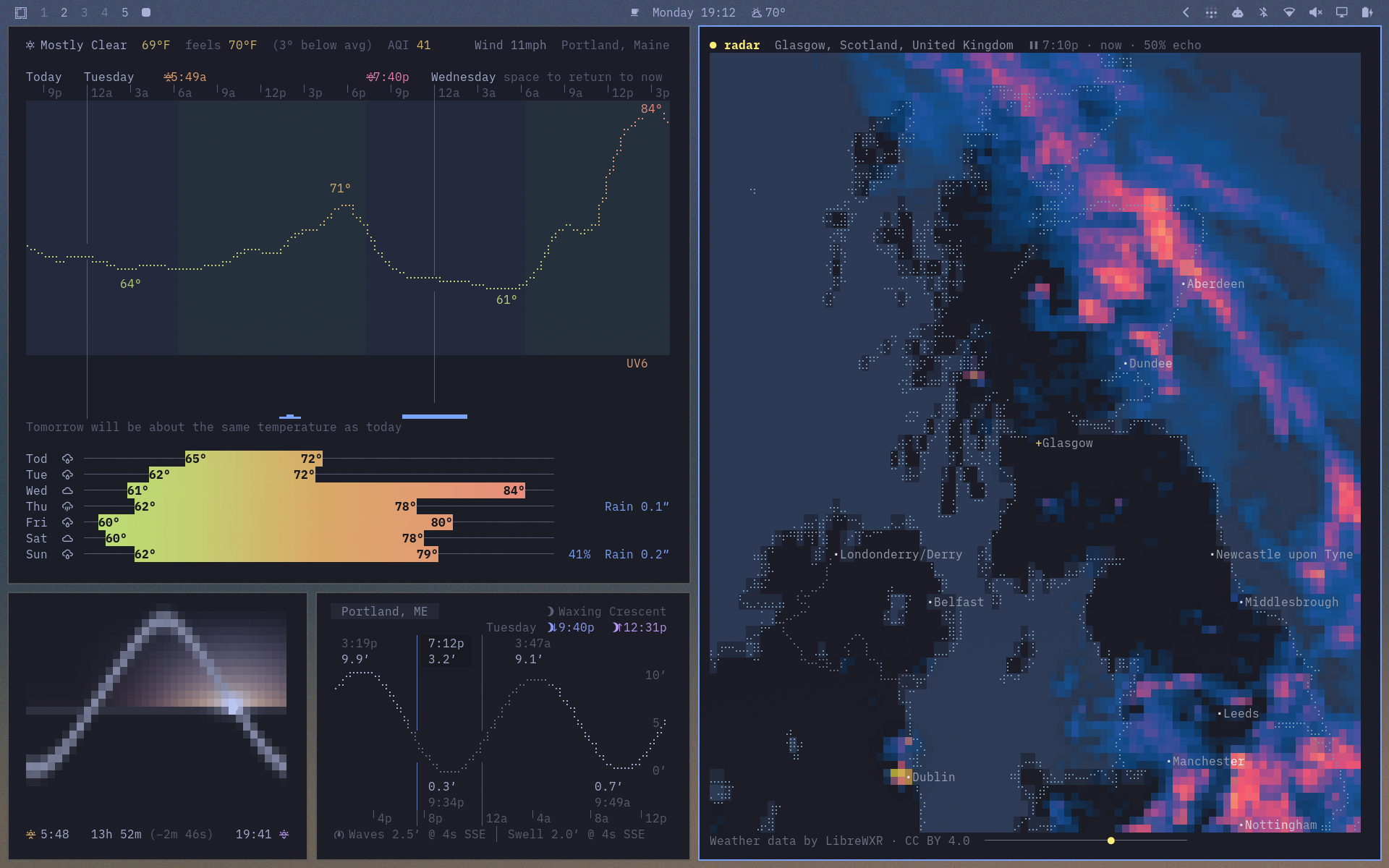
Six dependency-free terminal apps for weather, sun, moon, tides, radar and maps, drawn from free public data with no accounts or API keys — mouse-friendly TUIs that try to match your terminal theme.
 llm-d 4.7k · 3 days ago
Distributed inference stack for Kubernetes from Red Hat, Google and IBM (CNCF) — prefix-cache-aware routing, tiered KV-cache, prefill/decode disaggregation and SLO autoscaling above vLLM/SGLang.

 LMCache 11.9k · 3 days ago
KV-cache layer for scalable LLM serving: offload and reuse KV across GPU/CPU/disk/remote tiers to cut TTFT and prefill cost. vLLM-first; used by NVIDIA Dynamo and llm-d.
 githubnext 792 · 13 days ago
GitHub Next's local Jev bridge: a Bun/TypeScript POST /v1/systemone that translates typed decision questions into prompts for DiffusionGemma behind any OpenAI-compatible endpoint.
 ysharma3501 5.4k · 3 months ago
Lightweight voice-cloning TTS — 48kHz speech at 150x realtime, fits in 1GB VRAM and runs on CPU or MPS. SOTA cloning from a ~3s reference sample, rivaling models 10x larger.

 Fast-Editor 598 · 8 days ago
Self-hosted LLM gateway wrapping Claude Code, Cursor or Codex with zero code changes — strips unused tools, compresses JSON tool results ~88%, semantic-caches, tier-routes easy work to local models.

 magnitudedev 5.4k · 3 days ago
Local inference desktop app + CLI: profiles your hardware, estimates tok/s per model before download, tunes the one you pick, and connects Pi, OpenCode, Hermes, Codex or Claude Code in a click.
 Zackriya-Solutions 31.2k · 16 days ago
Privacy-first meeting note-taker that runs 100% on-device: live Whisper/Parakeet transcription, speaker diarization, local Ollama summaries. Desktop app for macOS & Windows — no cloud, no call bots.

 moorcheh-ai 2.3k · 3 days ago
Companion memory agent for 20+ coding agents, built on Moorcheh — its own information-theoretic engine, no third-party vector DB to manage. Runs local (Docker + Ollama, keyless) or on their cloud.
 memvid 16.6k · 2 months ago
Single-file memory layer for agents: data, embeddings, index and metadata in one portable .mv2 — append-only Smart Frames, time-travel queries, sub-5ms recall, no server. Rust core, Node/Python SDKs.

 Mesh-LLM 3.5k · 3 days ago
Distributed LLM inference in Rust: pool GPUs across machines into one OpenAI-compatible endpoint — local fit first, mesh routing, and stage splits for models too large for any single box.

 Goekdeniz-Guelmez 271 · 1 months ago
Native Mac app for on-device LLM fine-tuning via mlx-lm-lora: pick a model, choose SFT/LoRA/DPO-family algorithms, watch loss fall live, push to Hugging Face. No cloud, no code.

 NVIDIA 5k · 3 days ago
NVIDIA's model-compression library: quantization (PTQ/QAT, FP8/NVFP4), pruning, distillation, NAS and speculative decoding over HF/PyTorch/ONNX, exported to TensorRT-LLM, vLLM and SGLang.
 cactus-compute 12.8k · 3 days ago
A 45M-parameter tool-calling model shipped as one 14MB binary that runs a full session in ~28MB RAM — grammar-constrained JSON, calibrated confidence, tool retrieval, LoRA fine-tuning.
 Osmantic 6.9k · 3 days ago
One installer that turns a PC, Mac or Linux box into a private AI server: Ollama, Open WebUI, n8n, ComfyUI wired together — inference, chat, voice, agents, RAG and image gen, no cloud.
 ollama 181.8k · 4 days ago
Run Llama, Mistral and other open models locally with a single command and a clean API.

 opensandbox-group 15.6k · 3 days ago
CNCF-landscape sandbox platform for AI agents: multi-language SDKs, unified API, CLI and MCP over Docker/Kubernetes runtimes — coding agents, GUI agents, evals and RL training.
 NVIDIA 1.5k · 8 days ago
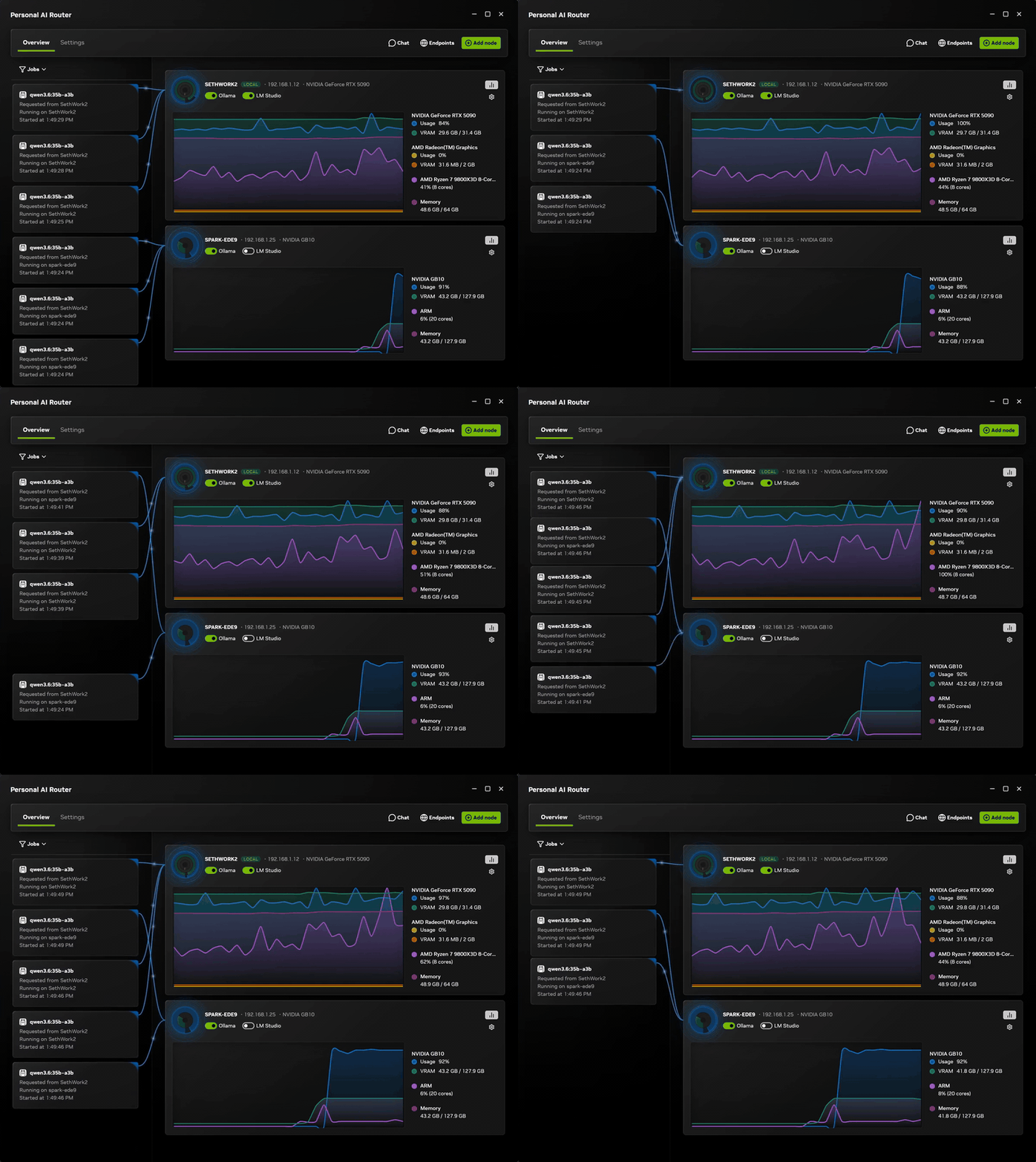
NVIDIA's local inference router: pairs home machines running Ollama or LM Studio behind OpenAI-, Anthropic- and Ollama-compatible endpoints, sending each request to the best available node.
 kyutai-labs 9.7k · 3 days ago
Kyutai's 100M-parameter CPU-only TTS — streaming audio in ~200ms, ~6× real-time on two laptop cores, voice cloning, six languages. pip install and it talks.
 rtk-ai 81.9k · 3 days ago
Rust CLI proxy compressing dev-command output 60-90% before your agent reads it — git, tests, linters, docker, 100+ commands; hooks auto-rewrite bash calls. Single binary, <10ms overhead.
 hanxiao 53 · 3 months ago
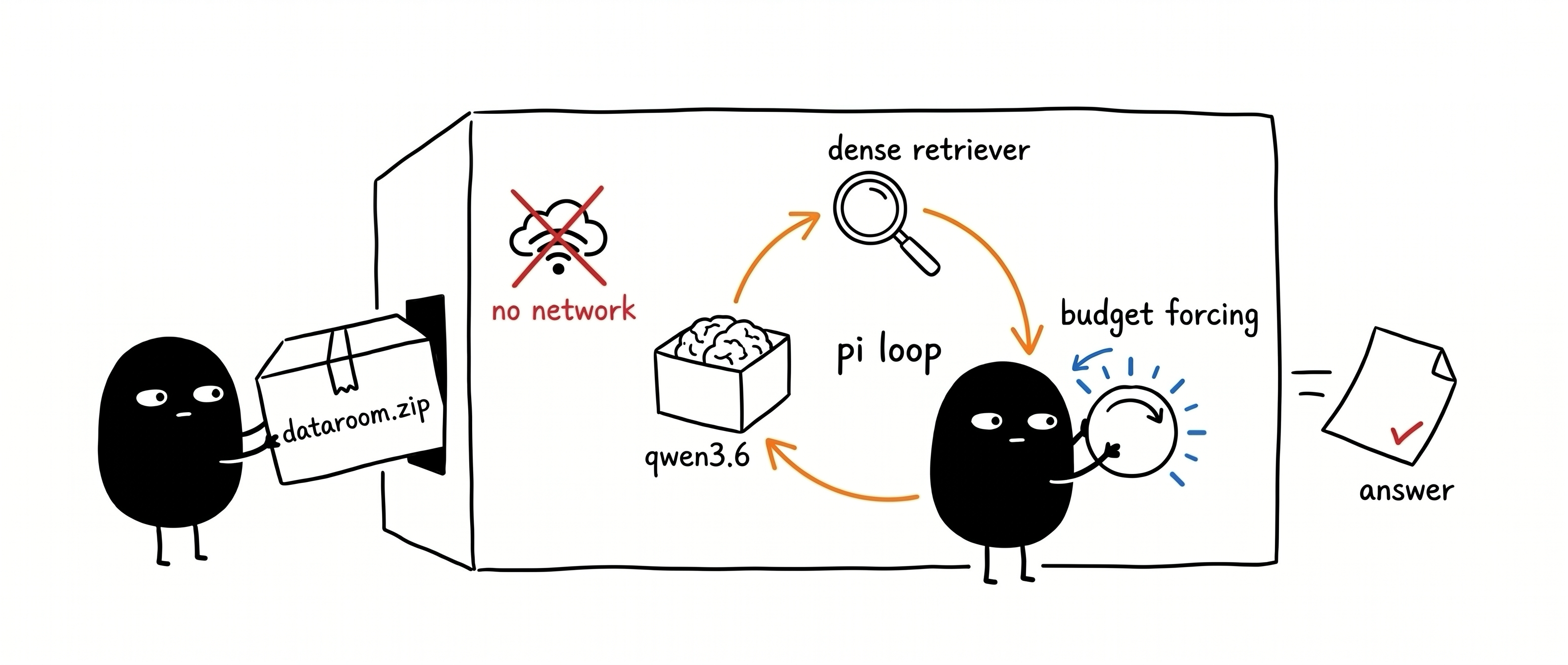
Airgapped closed-corpus QA testbed: a local Qwen agent in a Pi harness explores a .zip dataroom with grep/embeddings/rerankers under a token budget — a bed to study search as test-time compute.

 superlinked 3.3k · 3 days ago
Self-hosted inference cluster for everything agents call besides the big LLM: embeddings, rerankers, OCR, NER, guardrails and small LLMs — 100+ models, one OpenAI-compatible API, K8s stack included.
 kennss 966 · 5 days ago
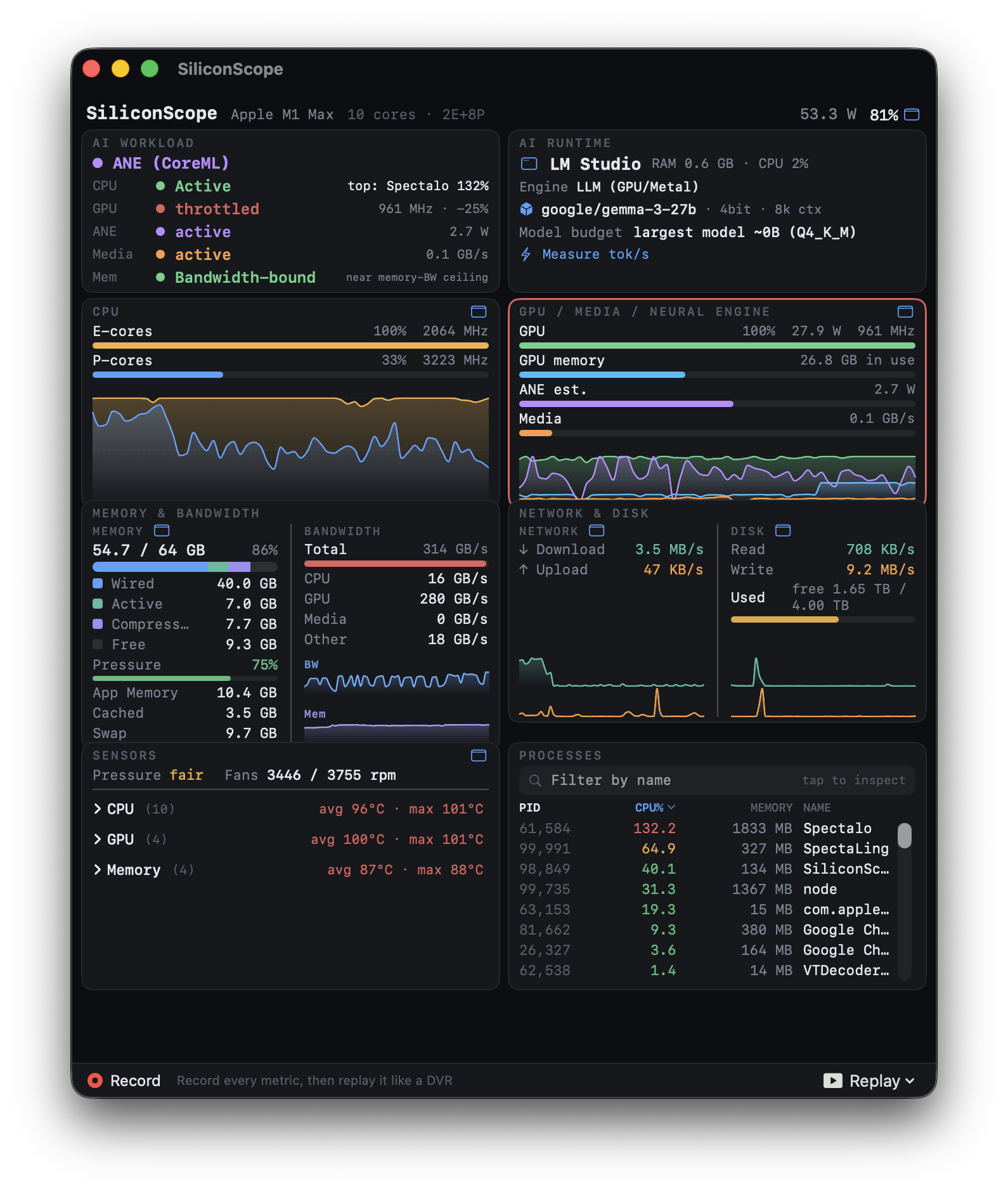
Sudoless Apple Silicon monitor: SwiftUI dashboard plus menu-bar suite tracking ANE, Media Engine and memory bandwidth Activity Monitor won't show — with DVR-style record & replay.
 kelviq 292 · 1 months ago
Claude Code skill that reads your local session logs and answers 'where did my tokens go' in plain English: deduplicated totals, cost charged to the tool that caused it, 5-hour window state.
 aovestdipaperino 650 · 4 days ago
Code-intelligence MCP server for coding agents — a pre-indexed semantic graph (libSQL + FTS5) they query instead of grepping: symbols, callers, impact radius in one call. 100% local, 50+ languages.
 RyanCodrai 17.3k · 18 days ago
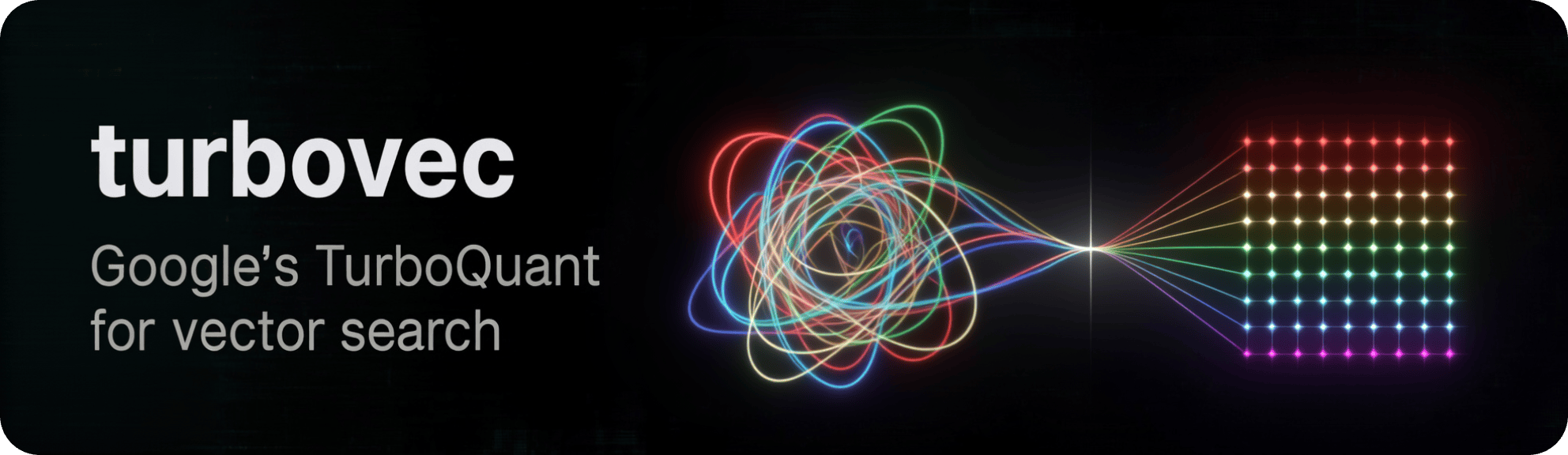
Rust vector index with Python bindings built on Google's TurboQuant: no training step, online ingest, hand-written SIMD kernels — 10M x 1536 vectors in ~4 GB, with allowlist-filtered search.
 vllm-project 92.9k · 3 days ago
High-throughput, memory-efficient inference and serving engine for LLMs.

 xberg-io 9.3k · 3 days ago
Rust-core extraction orchestrator with 15 language bindings: 96 formats — PDF, Office, images, audio, code, web — to clean text, tables and RAG-ready chunks. OCR and structured extraction built in.

 xybrid-ai 460 · 3 days ago
Cross-platform on-device AI toolkit: run LLMs, ASR and TTS natively from Flutter, Unity, Kotlin, Swift or Rust on a llama.cpp and ONNX Runtime core. Private, offline, no cloud.

 zvec-ai 3.8k · 3 days ago
zg: ripgrep, BM25 and vector search behind one local-first CLI for humans and agents — index a workspace once, search code, docs and data by meaning, then verify with exact text or regex.