Coding Agents
Plugins, skill layers and runtimes for agentic coding assistants like Claude Code and Codex.
 decolua 30.8k · 7 days ago
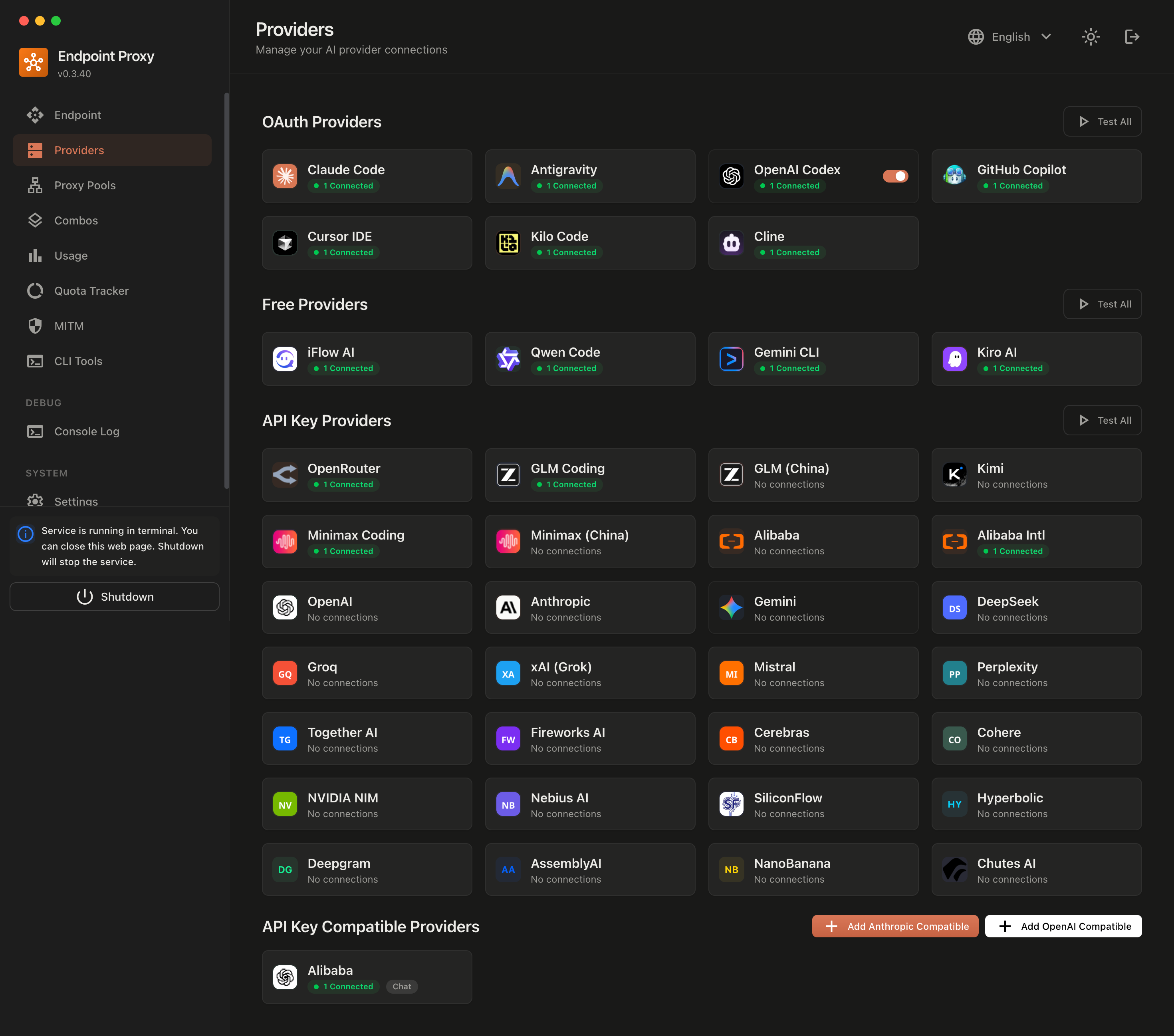
Self-hosted gateway pointing any AI coding CLI (Claude Code, Codex, Cursor, Cline) at 40+ providers, with subscription→cheap→free auto-fallback and tool_result compression for 20-40% token savings.

 coldteadotai 580 · 5 days ago
Hooks Claude Code, Codex, OpenCode and Pi so every edit is checked against the rules in your AGENTS.md/CLAUDE.md by a decision model (Jev) — ~300 ms per check, violations fixed in-turn.
 graykode 3.7k · 1 months ago
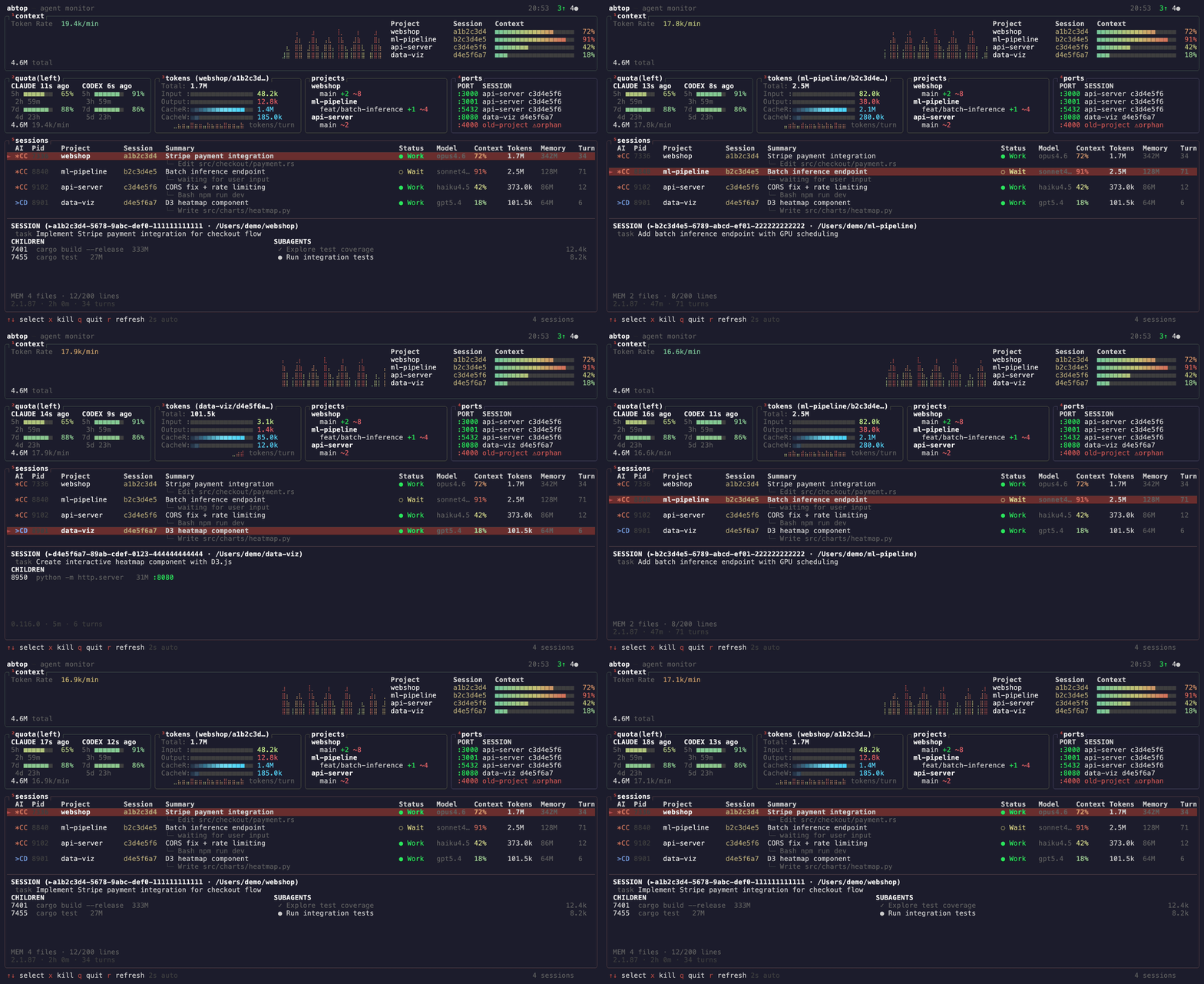
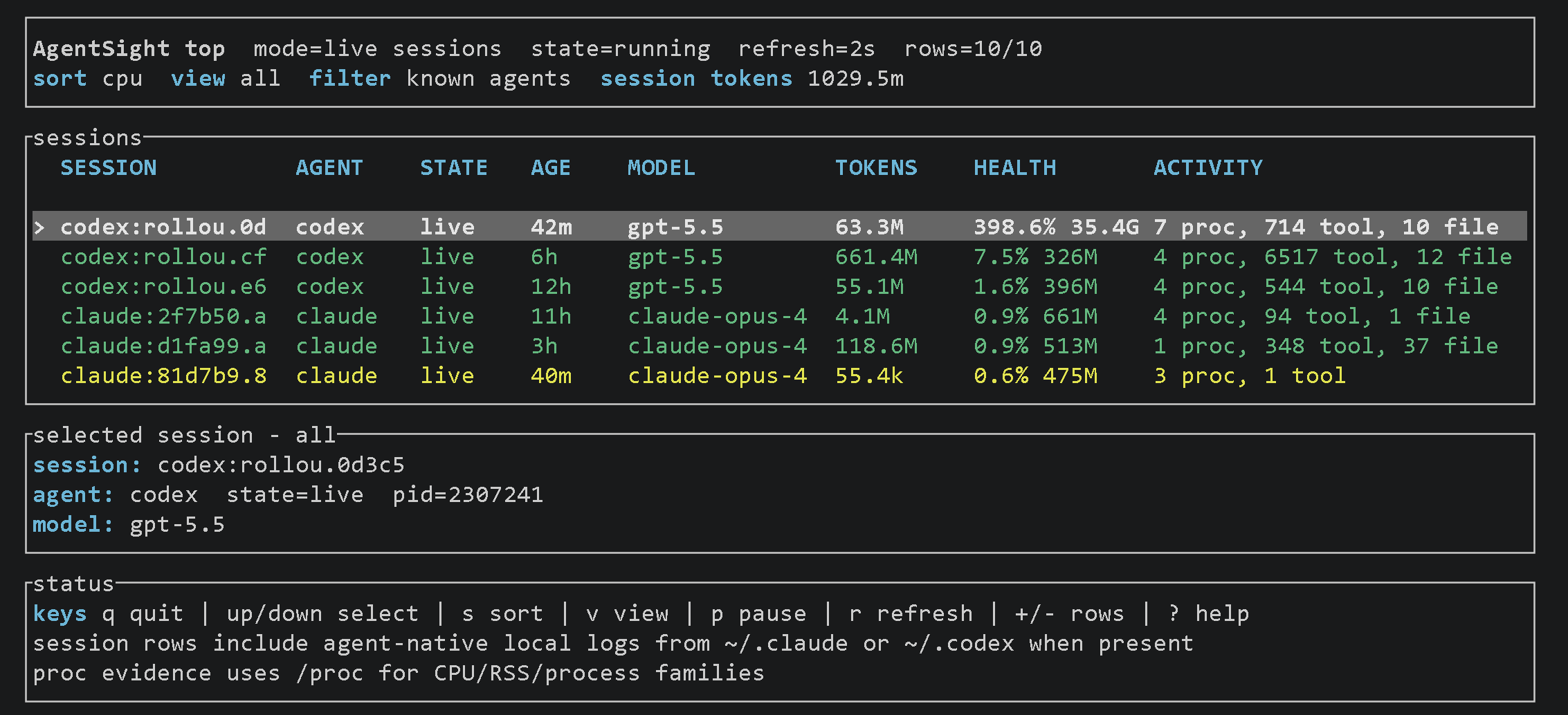
htop for AI coding agents: every Claude Code, Codex and OpenCode session in one TUI — tokens, context-window %, rate limits, child processes, orphan ports. Read-only, no API keys. Rust.
 Asymptote-Labs 1.8k · today
Cross-harness memory for coding agents: captures sessions from Claude Code, Cursor, Codex and 20+ harnesses, distills reviewed knowledge over MCP/skills, and forwards telemetry to SIEMs.
 patoles 1.7k · 5 days ago
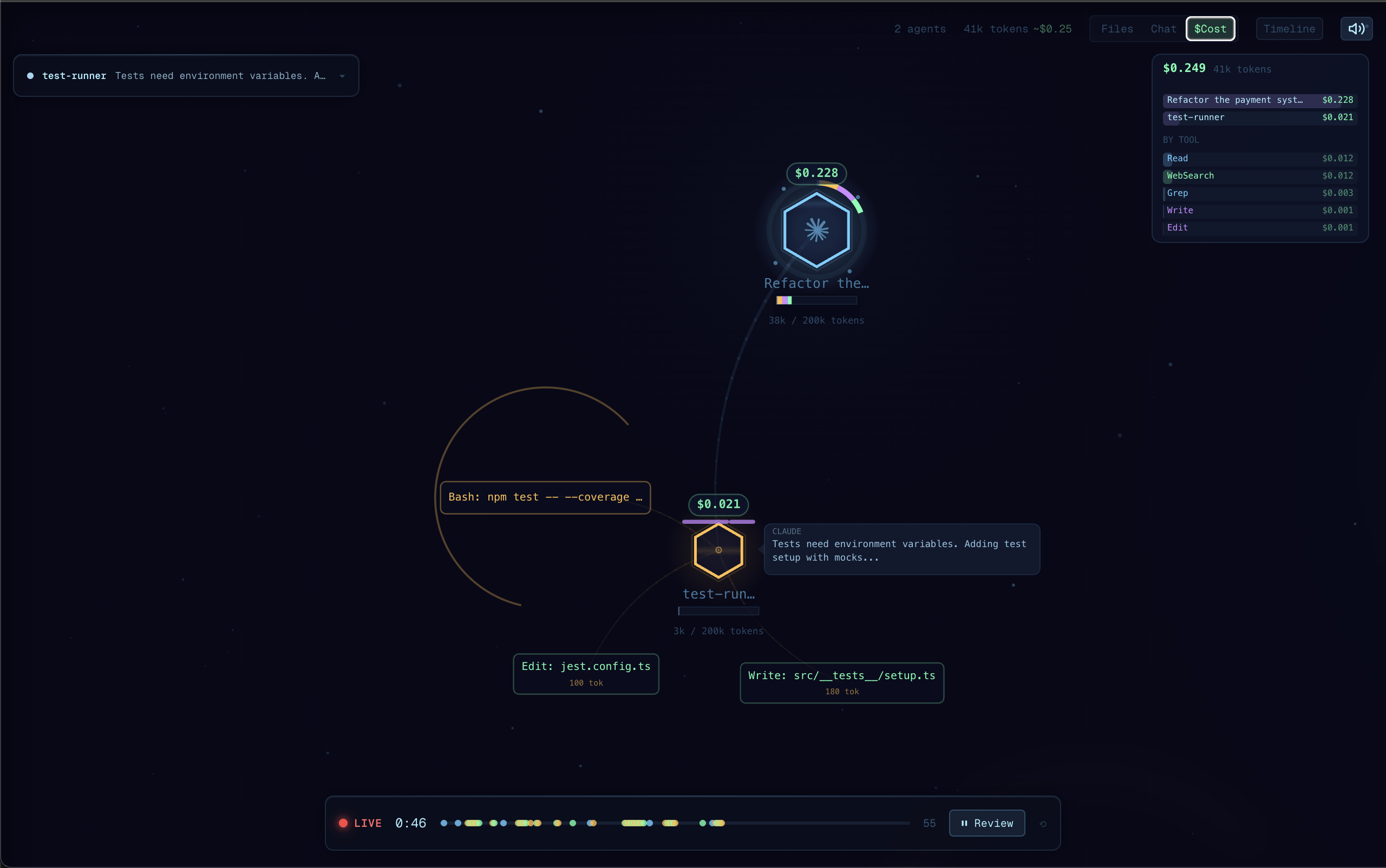
Live node-graph visualization of Claude Code and Codex sessions — watch agents think, branch into subagents and call tools in real time. VS Code extension or npx web app. Apache-2.0.

 OrchestratorInc 13.2k · today
Desktop agent IDE for fleets of coding agents: each task gets a worker with its own workspace and agent CLI, while a project orchestrator plans work and handles CI fixes, conflicts and reviews.
 mikehasa 765 · 12 days ago
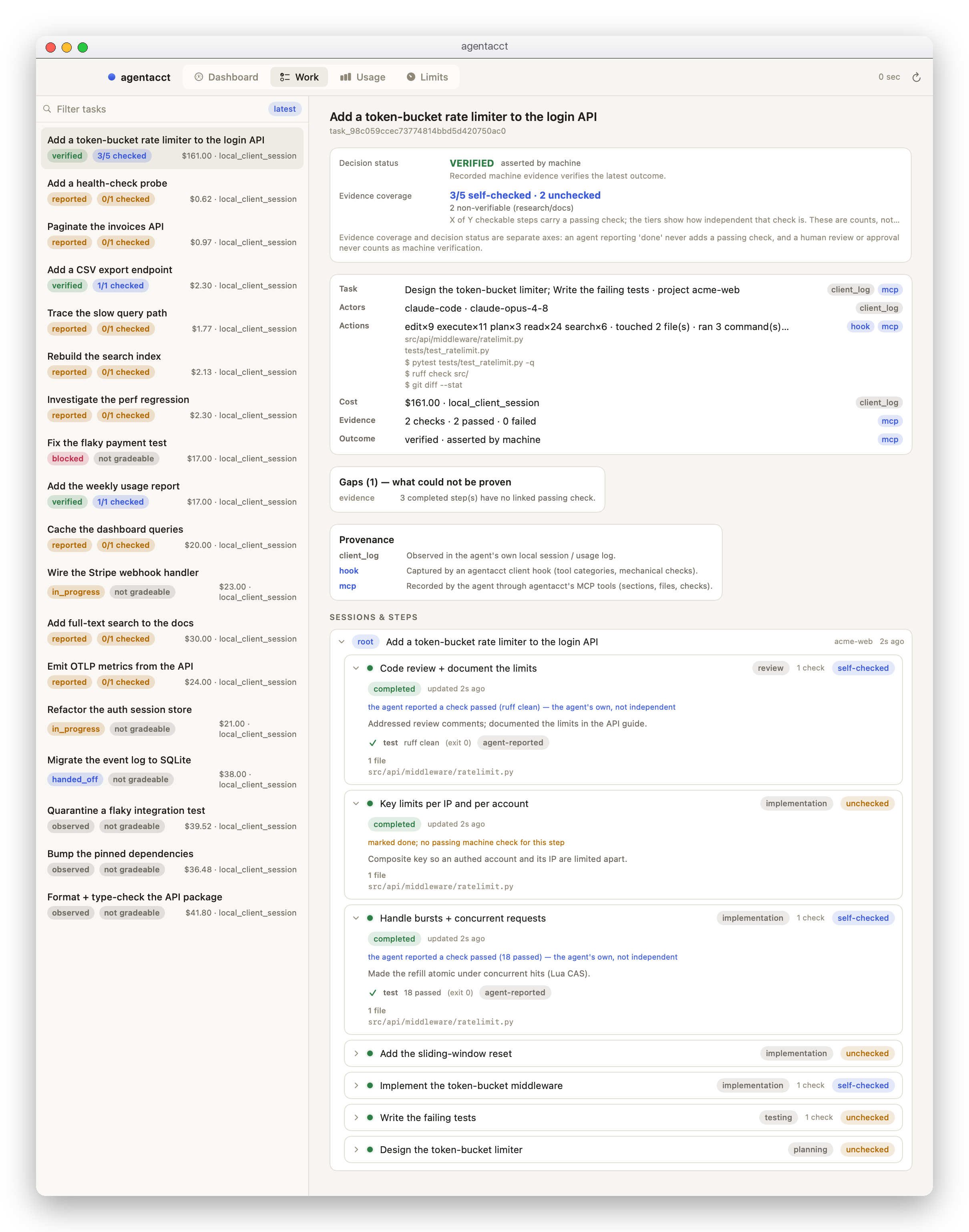
Local-first work receipts for coding agents: reads the session logs Claude Code, Codex, OpenCode and Hermes already write and reports what each task did, what it cost, and whether a check proved it.
 rohitg00 29.5k · yesterday
Persistent memory for coding agents on the iii engine: MCP server with 53 tools, 12 auto-capture hooks, hybrid search + knowledge graph, zero external DBs. Claims 95% R@5 and 92% token cuts.
 google 6.1k · 3 days ago
CLI + agent-skills layer that turns your coding assistant into a Google Cloud agent-lifecycle expert: scaffold ADK projects, run and evaluate them, then deploy and publish to Gemini Enterprise.
 eunomia-bpf 743 · yesterday
System-level observability for AI agents via eBPF and TLS tracing: correlates prompts and model calls with the processes, files and network the agent actually touched — no SDK, no proxy.
 patchy631 38.3k · 3 days ago
36k-star hub of runnable AI engineering tutorials — LLMs, RAG and agent apps as self-contained projects, including build-code-harness: a Claude-Code-style coding harness rebuilt on CrewAI + E2B.
 akitaonrails 9.3k · today
Rust long-term memory server for coding CLIs: lifecycle hooks capture sessions into a sanitized shared wiki, then hand a bounded summary to the next agent so Codex can resume what Claude Code started.
 soulduse 350 · yesterday
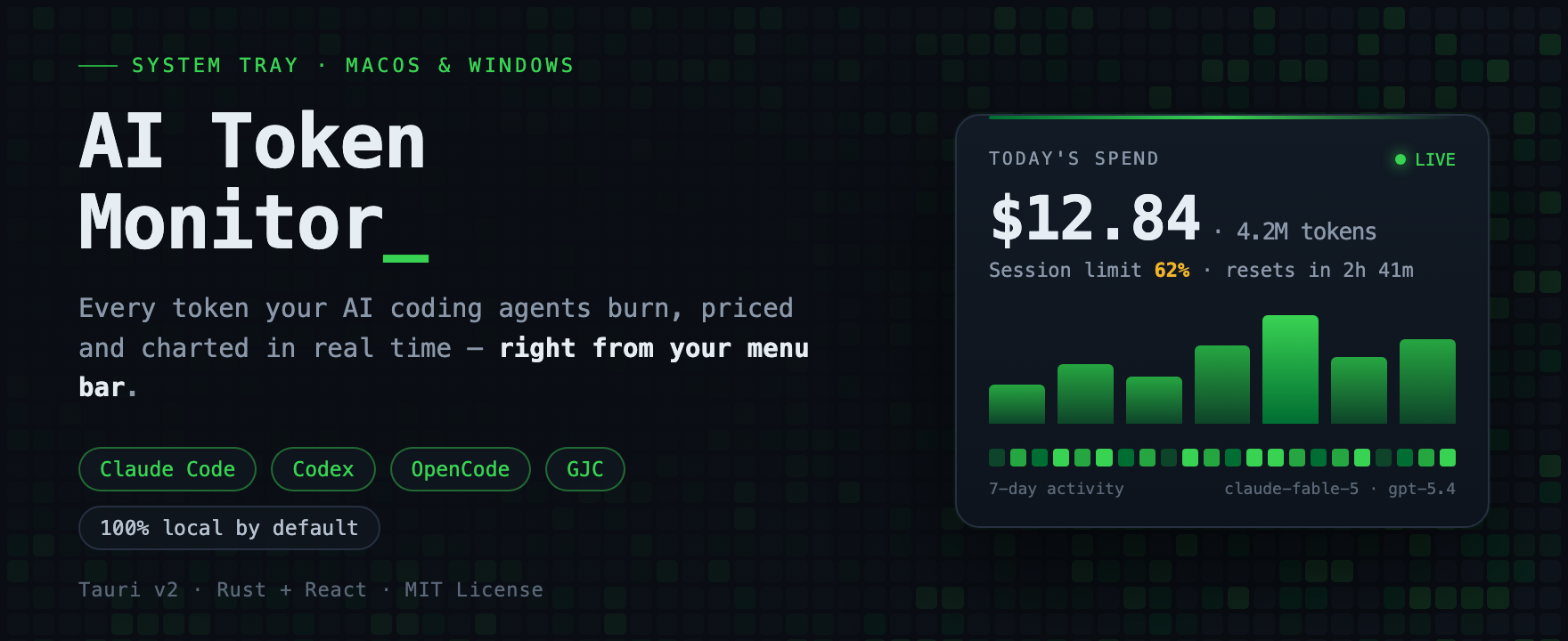
Menu-bar/tray app for macOS and Windows that reads Claude Code, Codex and OpenCode session logs and shows live token spend — per-model pricing with cache reads, plan-limit bars, webhook alerts.

 MatthewZMD 932 · 1 months ago
Aider woven into Emacs: AI pair programming with intelligent model selection, Ediff for reviewing AI changes, and file management that stays true to Emacs workflows. MELPA-packaged.
 alookai 1.4k · today
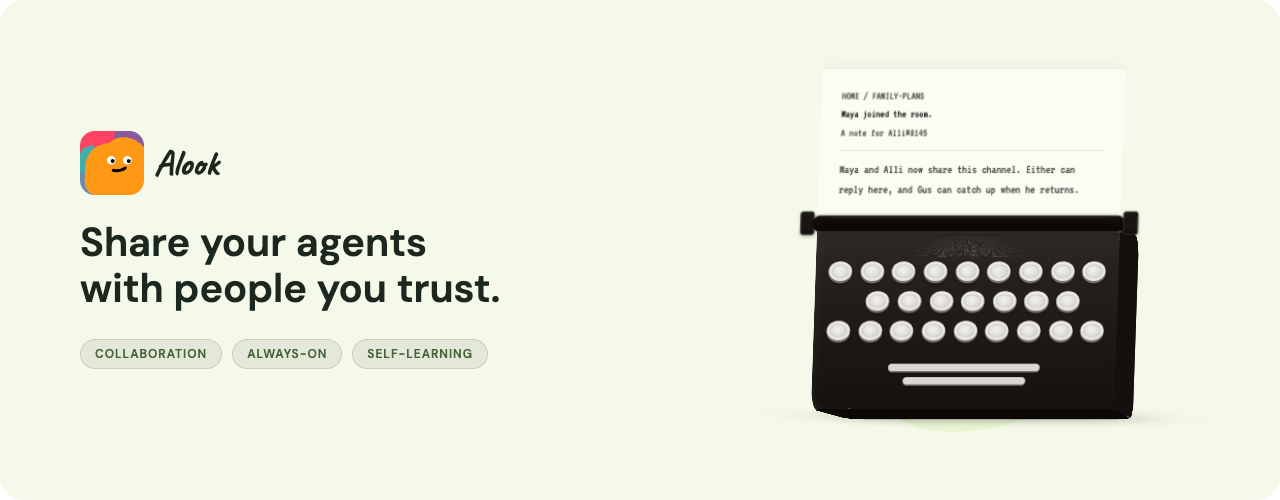
Self-hosted collaboration layer that turns local coding agents (Claude Code, Codex, OpenCode) into an always-on "AI company" — per-agent email, org chart, kanban, shared memory.
 microsoft 4k · yesterday
Microsoft's dependency manager for agent context — declare skills, prompts, plugins and MCP servers in apm.yml; one install reproduces the setup across 8 clients with lockfile pinning and org policy.

 luongnv89 956 · yesterday
Scriptable skill manager for AI coding agents — install, search, dedupe-audit and security-scan skills across 19 providers, with --json/--yes on every command so agents and CI can drive it.

 tigerless-labs 11.1k · yesterday
Self-learning skill layer for Claude Code: distills skills from your real sessions, merges same-scenario ones, updates them in use and prunes the unused — touching only skills it wrote.
 uditgoenka 6.6k · 2 months ago
Karpathy's autoresearch loop as an installable skill for Claude Code, OpenCode and Codex: constraint + mechanical metric + autonomous modify→verify→keep/discard iteration.
 gastownhall 27.9k · today
Distributed graph issue tracker for coding agents on Dolt: dependency-aware beads replace markdown plans — bd ready/claim/close, cell-level merge, push/pull across machines and agents. CLI + MCP.
 vitotafuni 26 · 1 months ago
One markdown bootstrap file that scaffolds a structured workspace for any coding agent — persistent project docs plus a task tree run through a Think→Task→Execute→Verify cycle with human pacing gates.
 bendlang 23.7k · today
Bend 2: a Python-like language with dependent types that compiles to fast CPU/GPU code; LAWS.bend declares invariants the compiler forces AI-written code to prove before it builds.

 mindmuxai 567 · 1 months ago
File-based durable memory for coding agents: brain-setup scaffolds a BRAIN.md protocol + brain/ directory of decisions, requirements and constraints — plain Markdown in your repo, written via CLI.
 theswerd 838 · 20 days ago
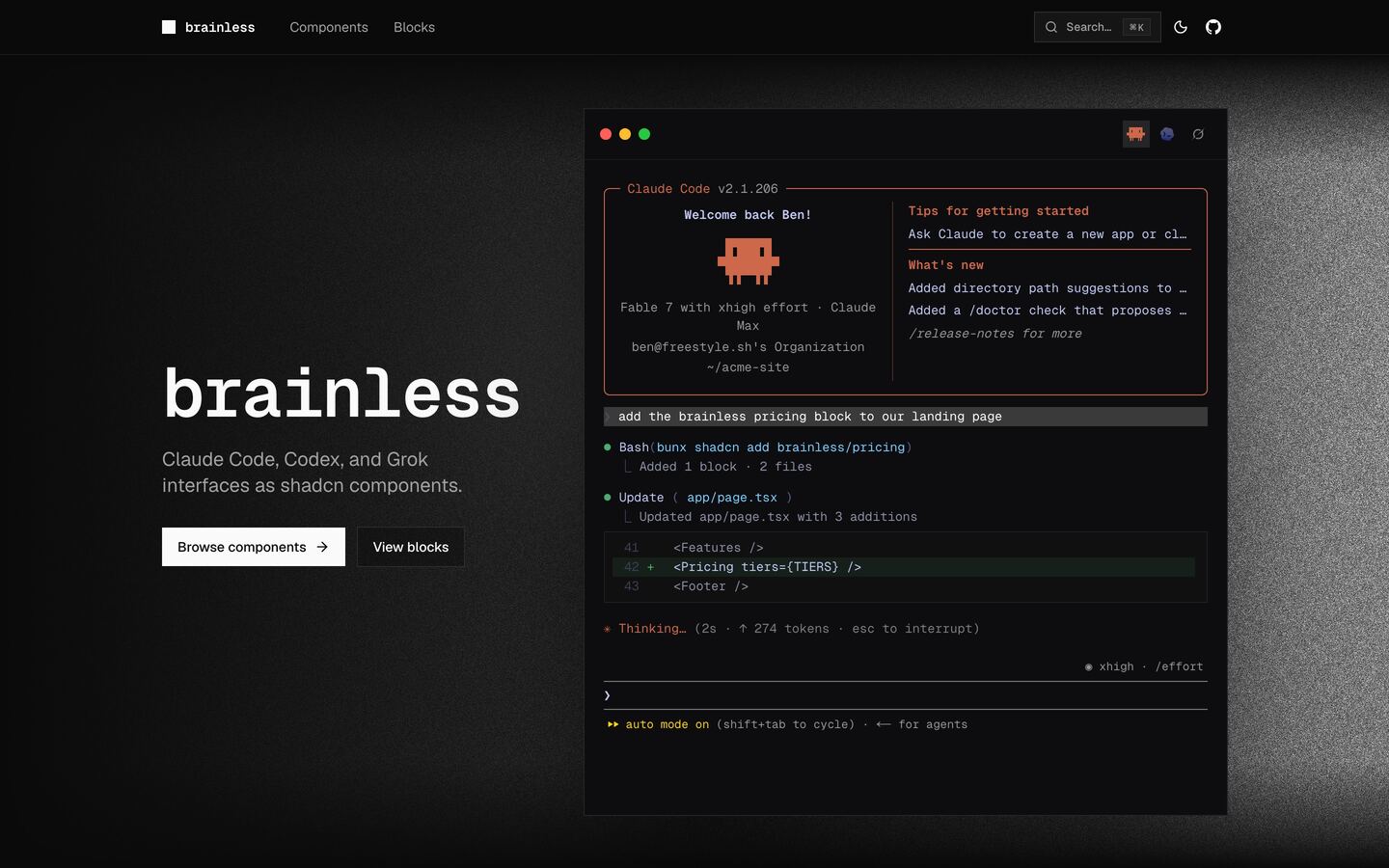
shadcn/ui registry of React components that faithfully recreate the Claude Code, Codex and Grok terminal UIs — headers, tool calls, diffs, prompts — built from real tmux captures.
 Arindam200 598 · 3 months ago
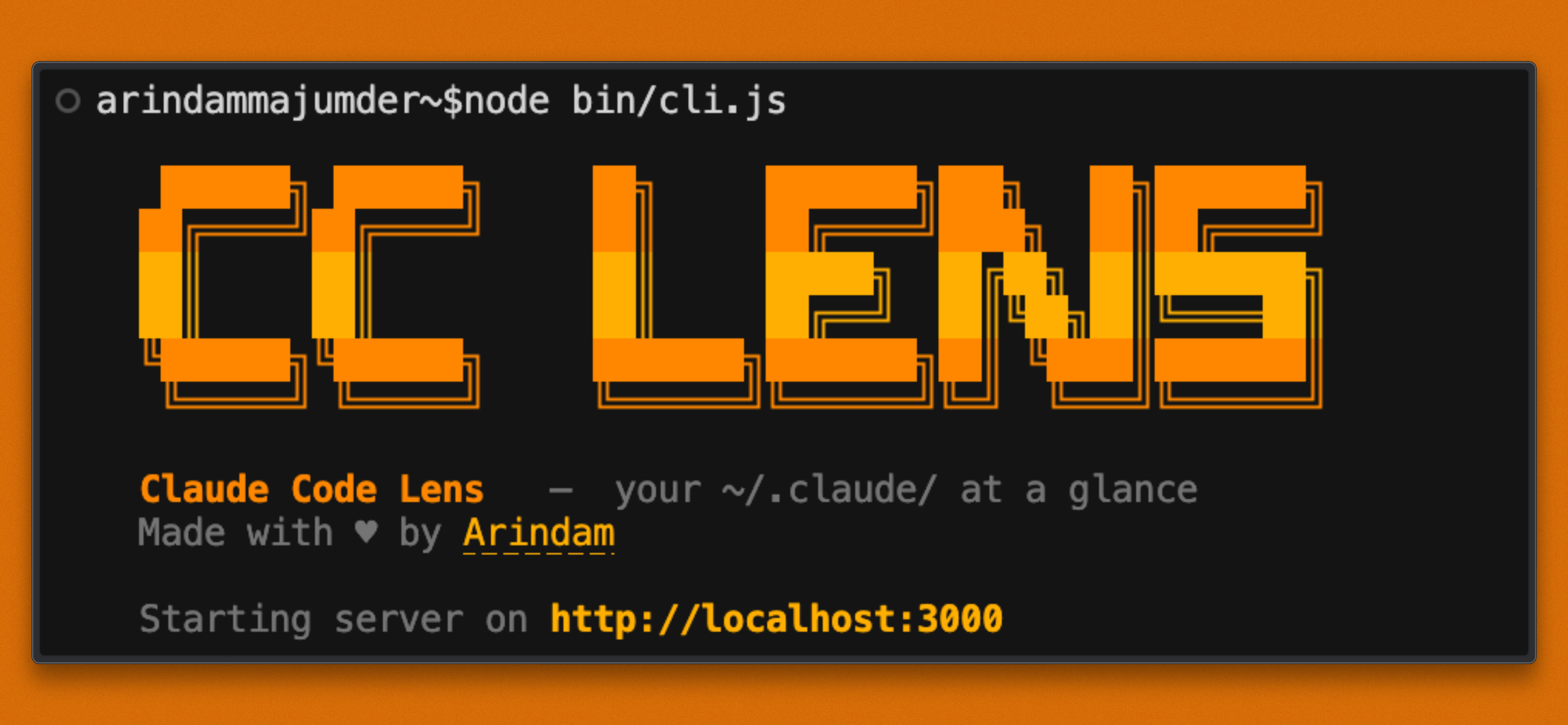
npx cc-lens: local analytics dashboard over ~/.claude — sessions with replay, cost and cache breakdowns, insights and budgets, team-adoption mode, a yearly Wrapped card. No cloud, no telemetry.

 breaking-brake 5.4k · 8 days ago
Visual workflow canvas that exports to the Markdown your agent already understands — design on nodes, ship as skills/agents/commands for Claude Code, Copilot, Codex, Gemini and more.
 ChesterRa 1.3k · today
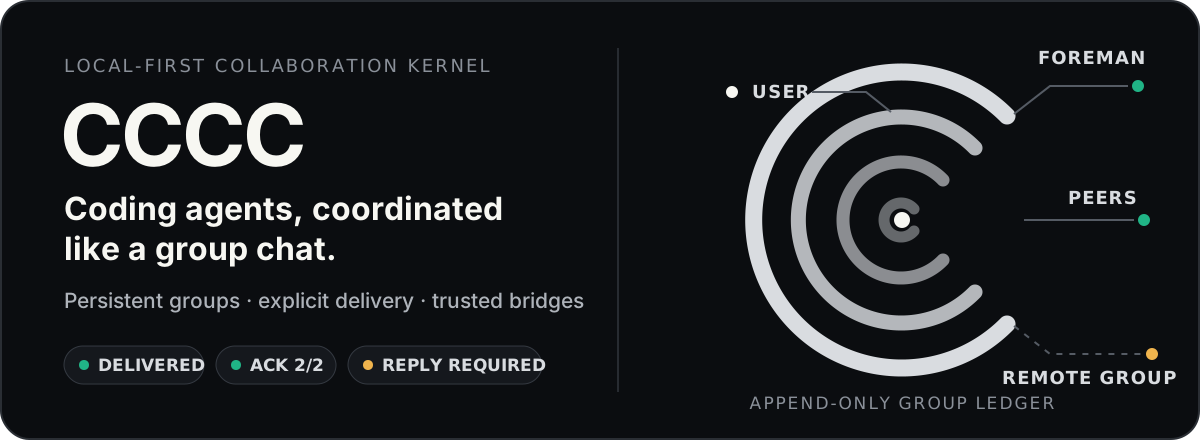
Group-chat orchestration for coding agents: Claude Code, Codex, ChatGPT Web and others in one durable group with an append-only ledger, read receipts, and Web/IM/mobile ops.

 JayantDevkar 332 · 3 days ago
Local-first dashboard over ~/.claude — sessions, timelines, per-session costs, tool/agent/skill/plugin analytics, live activity via hooks, and ticket linking. No cloud, no telemetry.

 thedotmack 100.9k · 2 days ago
Cross-harness session memory: hooks capture what the agent does, an LLM compresses it into observations, and the next session gets the relevant ones back via progressive-disclosure MCP tools.

 BayramAnnakov 1.8k · 12 days ago
Claude Code plugin that learns from your corrections — hooks capture them in-session, /reflect syncs approved learnings to CLAUDE.md/AGENTS.md, /reflect-skills mines history into reusable commands.

 getagentseal 11.5k · yesterday
Local-first cost ledger for AI coding: reads the session files 36 tools already write and breaks every token and dollar down by task, model, project. TUI, web, desktop, menubar — no proxy, no keys.
 NeuralNomadsAI 2.6k · today
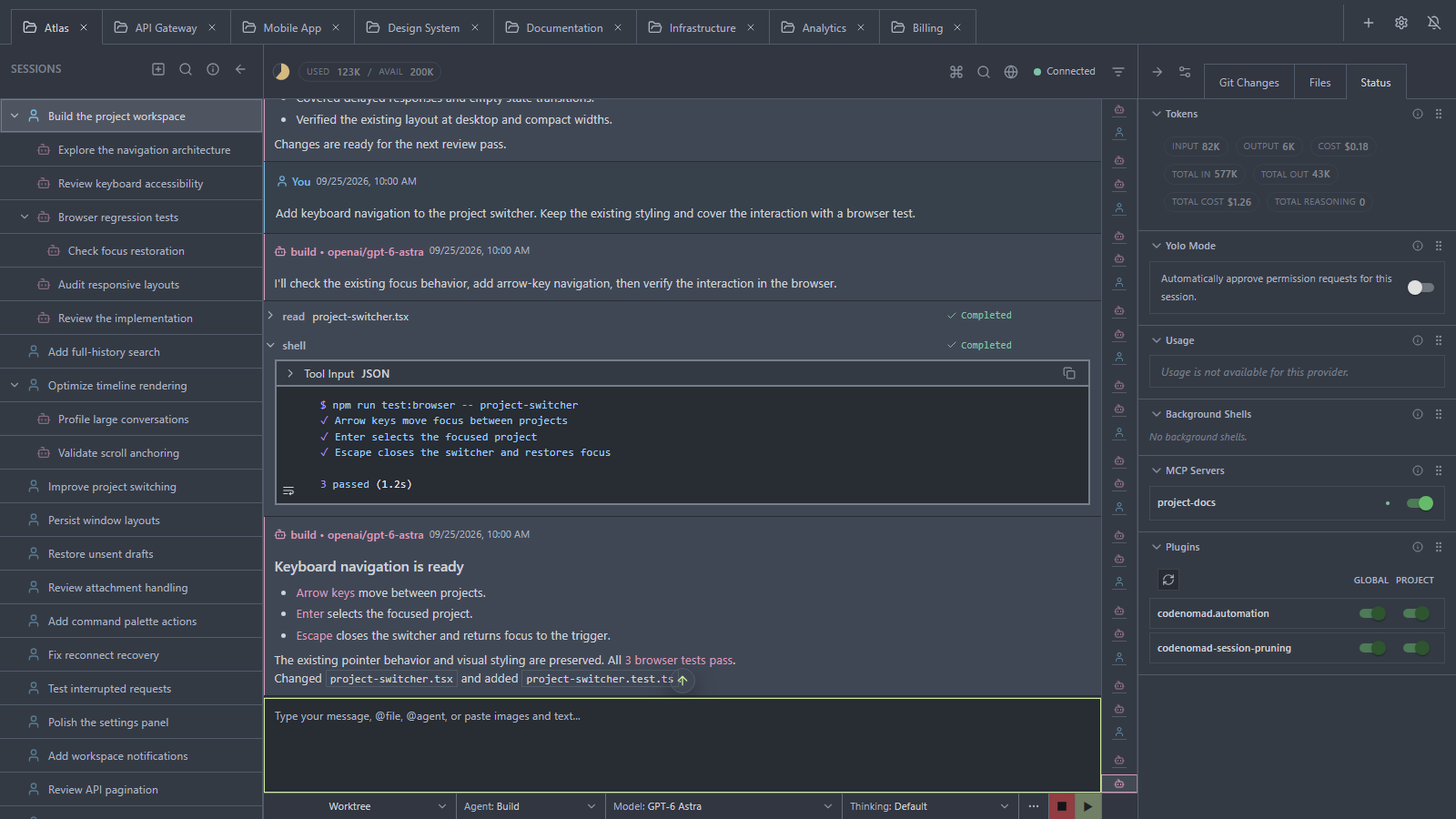
Desktop cockpit for OpenCode: multi-instance sessions, git worktrees, remote browser access, voice input and a command palette — a workspace for living in AI coding sessions.
 freestylefly 3.8k · yesterday
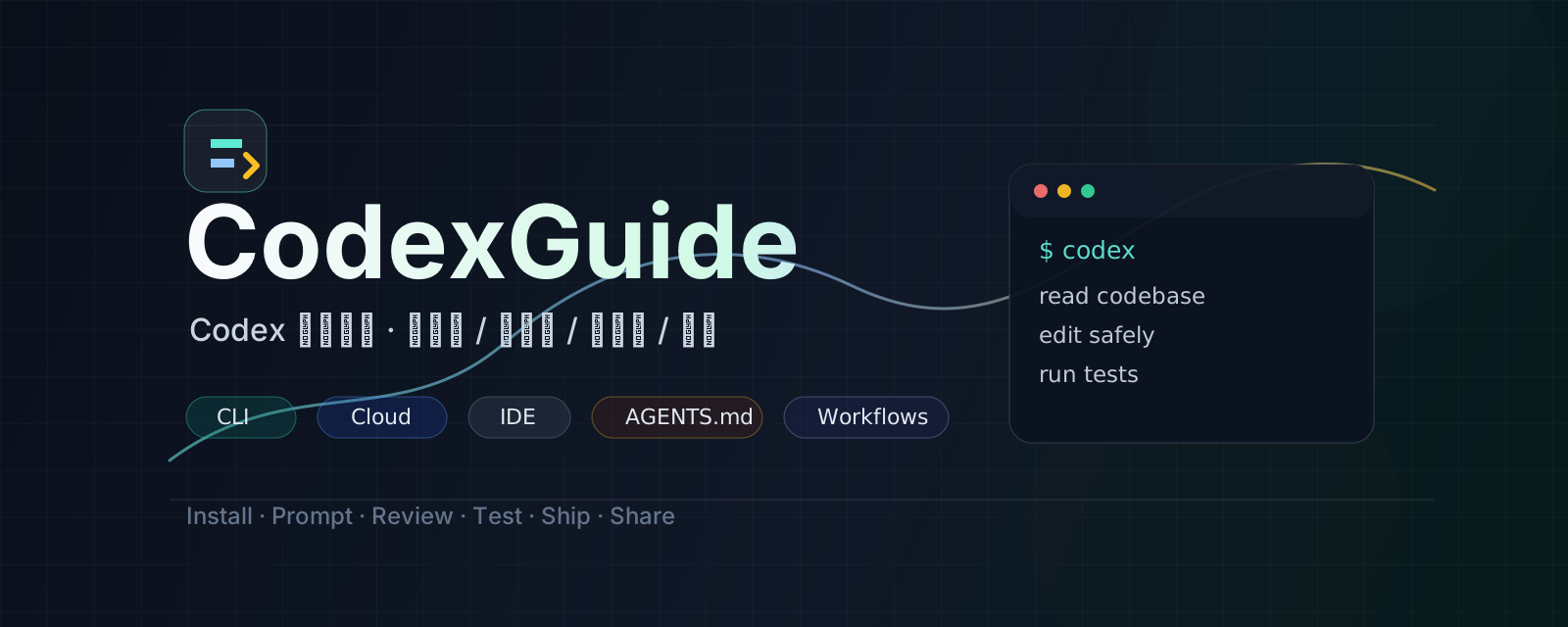
Community-maintained Chinese practice guide to OpenAI Codex — learning paths, CLI/App/Cloud/IDE setup, AGENTS.md templates, sandbox/approval safety and team playbooks, published at codexguide.ai.

 SakuraByteCore 354 · 5 days ago
Local-first CLI + web dashboard for your coding agents — switch providers, browse sessions across Codex/Claude Code/Gemini CLI, share skills, queue tasks, and bridge Codex/Claude to any API.
 zeronsh 3.2k · today
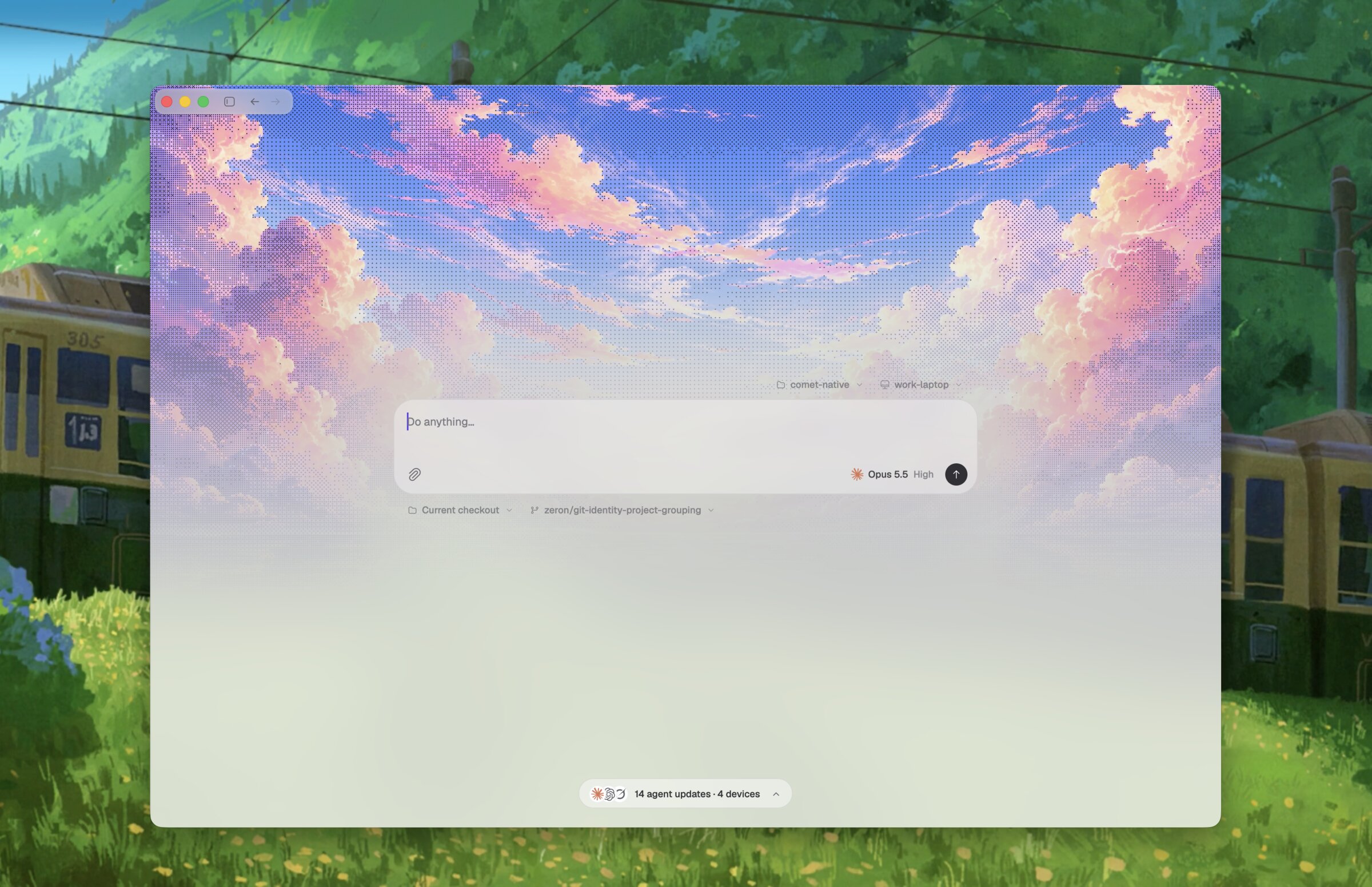
Zeron: control Claude Code, Codex, Cursor, Grok, Hermes and Pi from a local Rust daemon — sessions live on the device, with optional sign-in to drive them from another machine.

 junhoyeo 224 · 3 months ago
Terminal-first orchestrator for issue-driven AI coding-agent runs — polls Linear/GitHub, runs Codex/OpenCode in git worktrees with retries and verification. Go/Charm rebuild of OpenAI's Symphony.
 anthropics 694 · 5 months ago
Anthropic's harness primitives for long-running Claude agents: default-FAIL evidence gates, a fresh-context evaluator subagent and handoff hooks — each one standalone, readable file.

 sopaco 3.1k · 1 months ago
Litho: a Rust, DeepWiki-style doc generator that turns any codebase into C4-model architecture docs - context, container, component and code-level pages with diagrams - via any LLM.
 deerwork-ai 549 · 2 months ago
Graph-engineering runtime where TypeScript owns control flow and replaceable coding-agent CLIs — Codex, Claude Code, Pi — do the semantic work inside each node. Pilot for DeerFlow 3.0.

 vshulcz 1.2k · today
Indexes the session histories your coding agents already wrote — 17 harnesses, months retroactive — and serves recall over MCP. 84.9% hit@1 on LongMemEval-S, no LLM, no embeddings. One Go binary.
 affaan-m 279.8k · 3 days ago
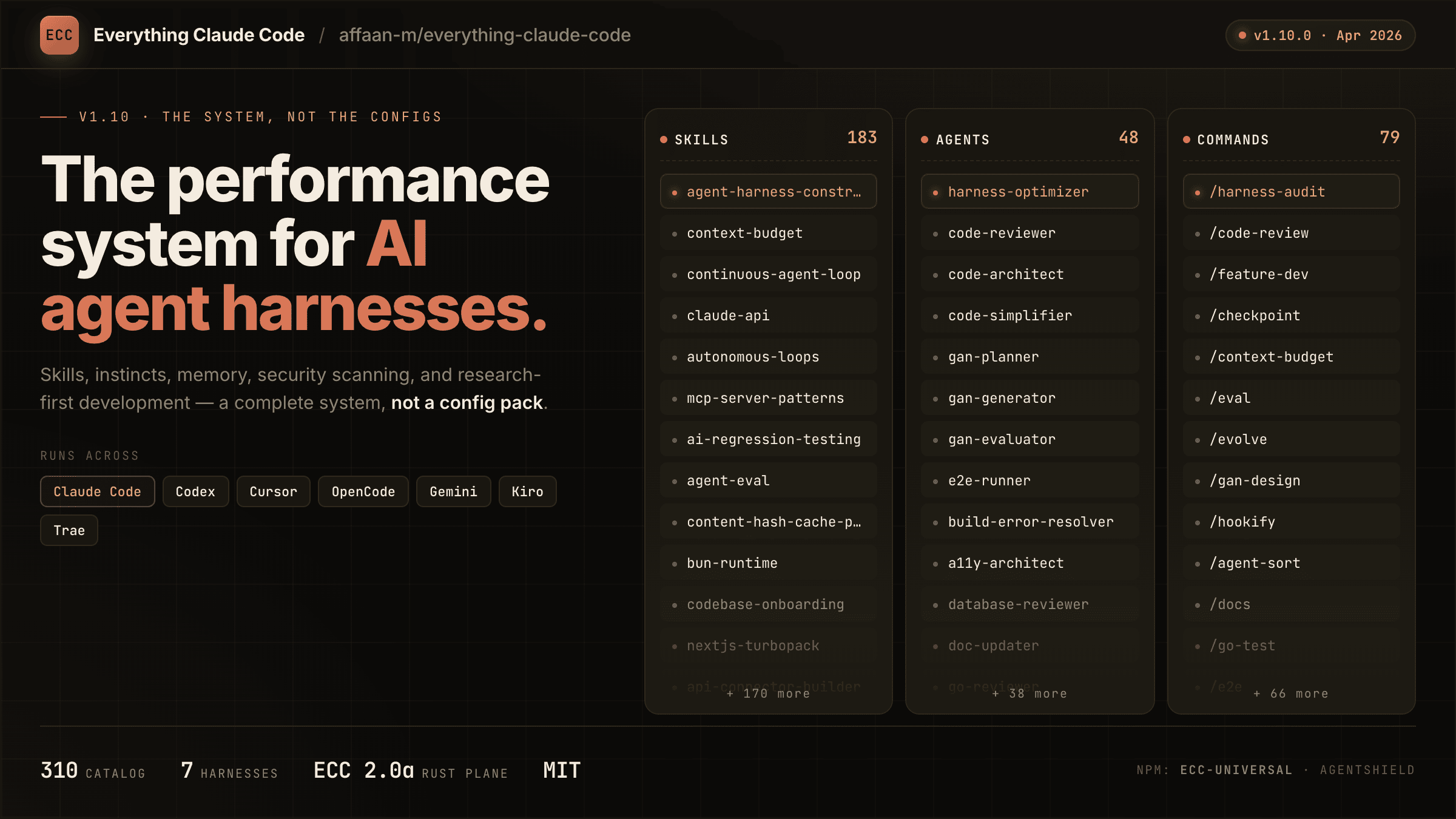
Cross-harness 'operating system' for coding agents — 268 skills, 66 agents, hooks, rules, memory persistence, instinct-based continuous learning and AgentShield security scanning. MIT.
 timgordontg 298 · 19 days ago
Local SQLite episodic memory shared across Antigravity, Claude Code, Cursor, Windsurf and Codex: hooks/MCP capture decisions, FTS5+model2vec hybrid recall reloads ~1k tokens per session.

 evo-hq 1.5k · 10 days ago
Karpathy-style autoresearch on any codebase: /evo:discover instruments the benchmark, /evo:optimize runs tree search with parallel subagents in worktrees. Plugin for Claude Code, Codex & co.

 fabro-sh 1.7k · today
Rust 'software factory' for coding agents: define the SDLC as a graph, agents execute it through verification gates, you intervene only at the stages that matter. Server, runs board, sandboxes.

 FailproofAI 5.5k · today
Observability plus policy enforcement for agent harnesses: records every run across 12 harnesses (Claude Code, Codex, Cursor, Hermes…) and blocks dangerous tool calls with 39 built-in policies.
 tamaratran 7.6k · 27 days ago
Claude Code plugin and npm library that replaces compaction summaries with Jev decisions: every tool call and result is scored, stale ones dropped or truncated, everything kept stays verbatim.
 naw103 539 · yesterday
Coordination protocol for parallel coding agents above Git: agents declare intent in a shared SQLite store, and a deterministic detector flags plan collisions before code is written.
 plasma-ai 782 · today
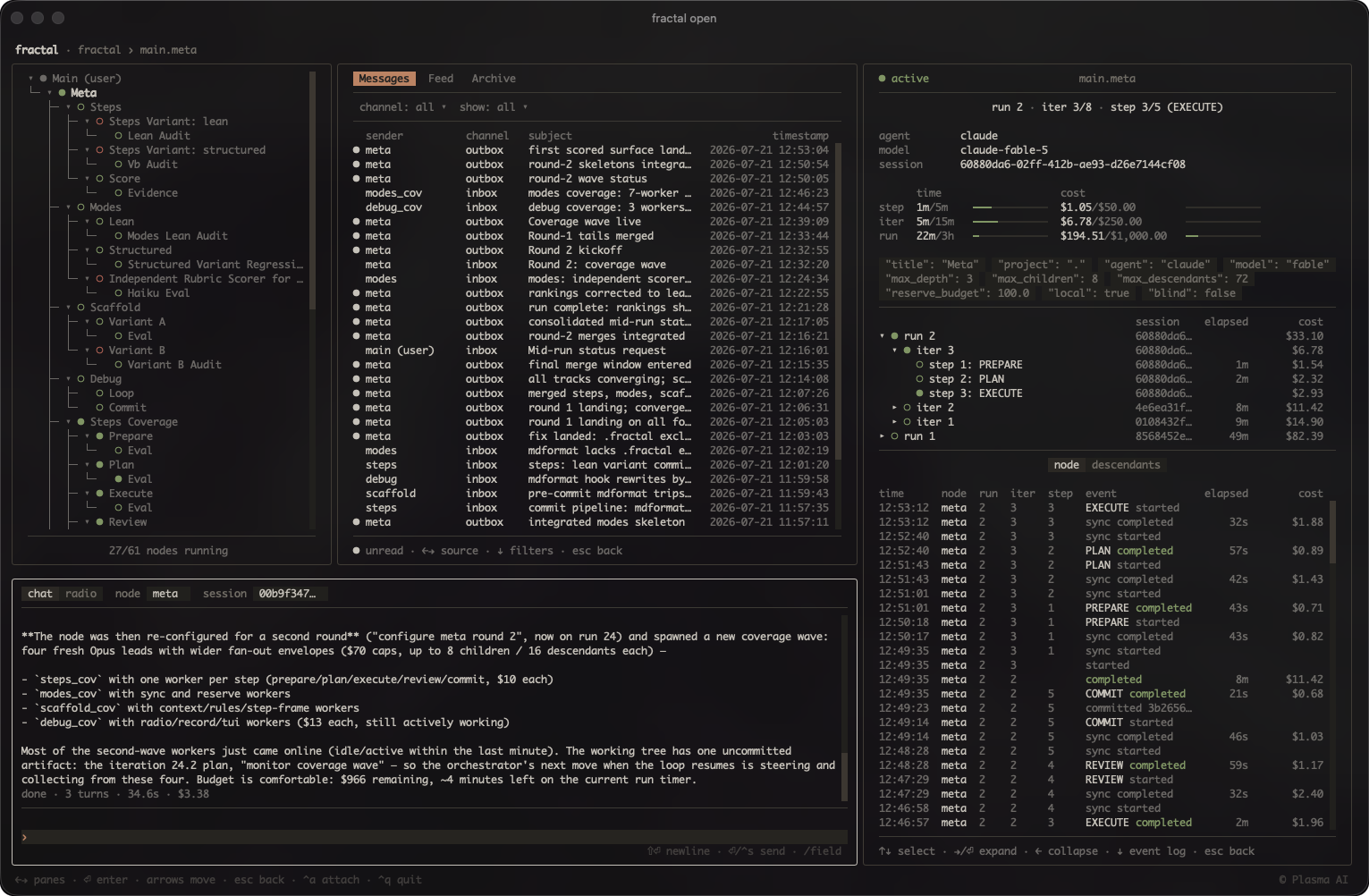
Hierarchical agent loops: nodes iterate toward a goal in their own git worktree and spawn children for subtasks — the tree grows to fit the problem. Hard caps, SQLite run log, live TUI.

 Runfusion 1.3k · today
A multi-agent software factory: describe a task, agents plan (PROMPT.md), build, review and merge in isolated worktrees — kanban + graph board, missions, agent chat rooms, any model. Early preview.
 aaif-goose 55.3k · today
General-purpose local AI agent in Rust — native desktop app, full CLI and embeddable API — over 15+ providers and 70+ MCP extensions. Block's goose, now an Agentic AI Foundation project.

 govctl-org 273 · 7 days ago
Governance-as-code CLI for AI-assisted development: prompts and patches become RFCs, ADRs and work items with executable verification gates — reviewable, traceable, phase-gated delivery.
 gridex 2k · 1 months ago
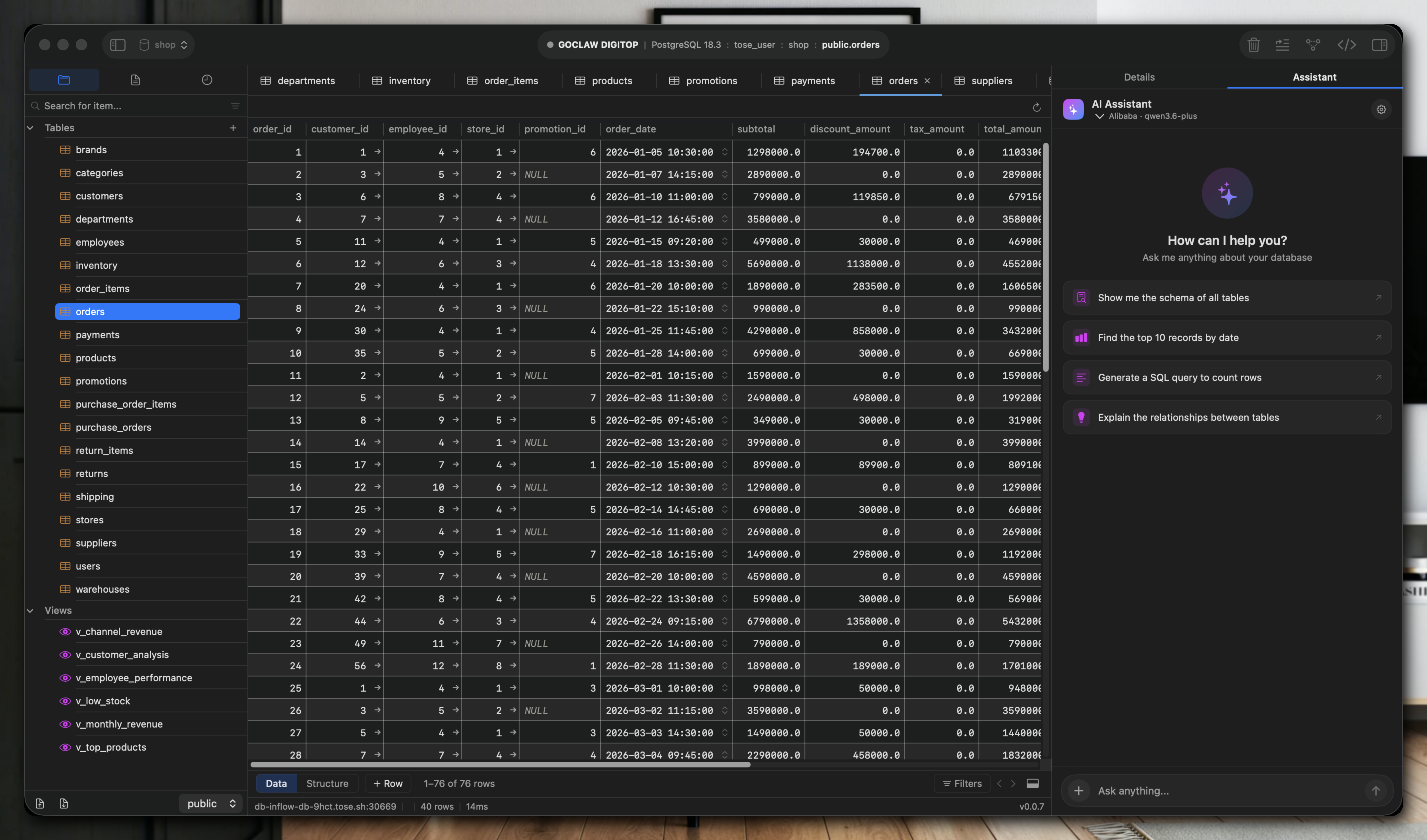
Native database IDE for Postgres, MySQL, SQLite, Redis, MongoDB, SQL Server and ClickHouse, with a built-in MCP server — 13 tools, 3-tier permissions, audit trail — and schema-aware AI chat.
 headroomlabs-ai 75.4k · today
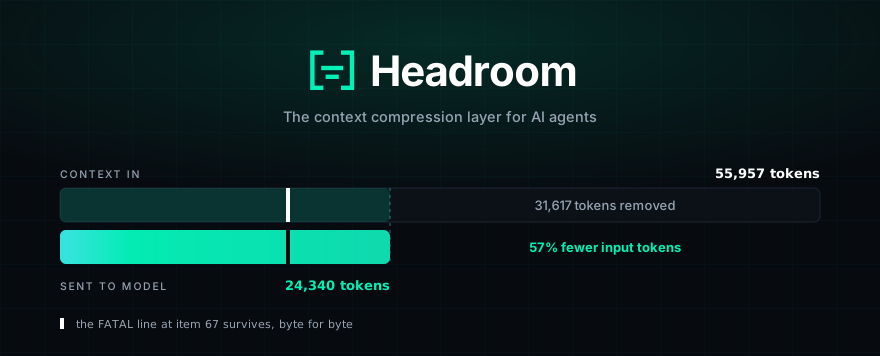
Context compression layer for agents: squeezes tool outputs, logs, files and RAG chunks 20-95% before the LLM — reversible, local-first; library, proxy, one-command agent wrap, or MCP.

 dohooo 1.3k · 1 months ago
Local-first desktop workbench for orchestrating coding agents: per-repo workspaces, task dispatch, live status and runnable actions — GUI plus CLI, Apache-2.0.

 herdrdev 44.1k · yesterday
Agent multiplexer for your terminal: every Claude Code/Codex session in real panes — blocked/working/done at a glance, detach and reattach over SSH, plus a socket API agents drive themselves.

 activeloopai 1.6k · yesterday
Activeloop's shared brain for agent TEAMS: traces from Claude Code, Codex, Cursor & co become reusable skills every teammate's agent can execute — cloud-backed, 25% cheaper on LoCoMo.
 profullstack 312 · 2 days ago
btop-grade terminal dashboards in TypeScript: a one-import API over a typed-array framebuffer with differential rendering, Braille graphs and truecolor — zero runtime deps, Bun/Node/Deno.
 petergyang 1.4k · 28 days ago
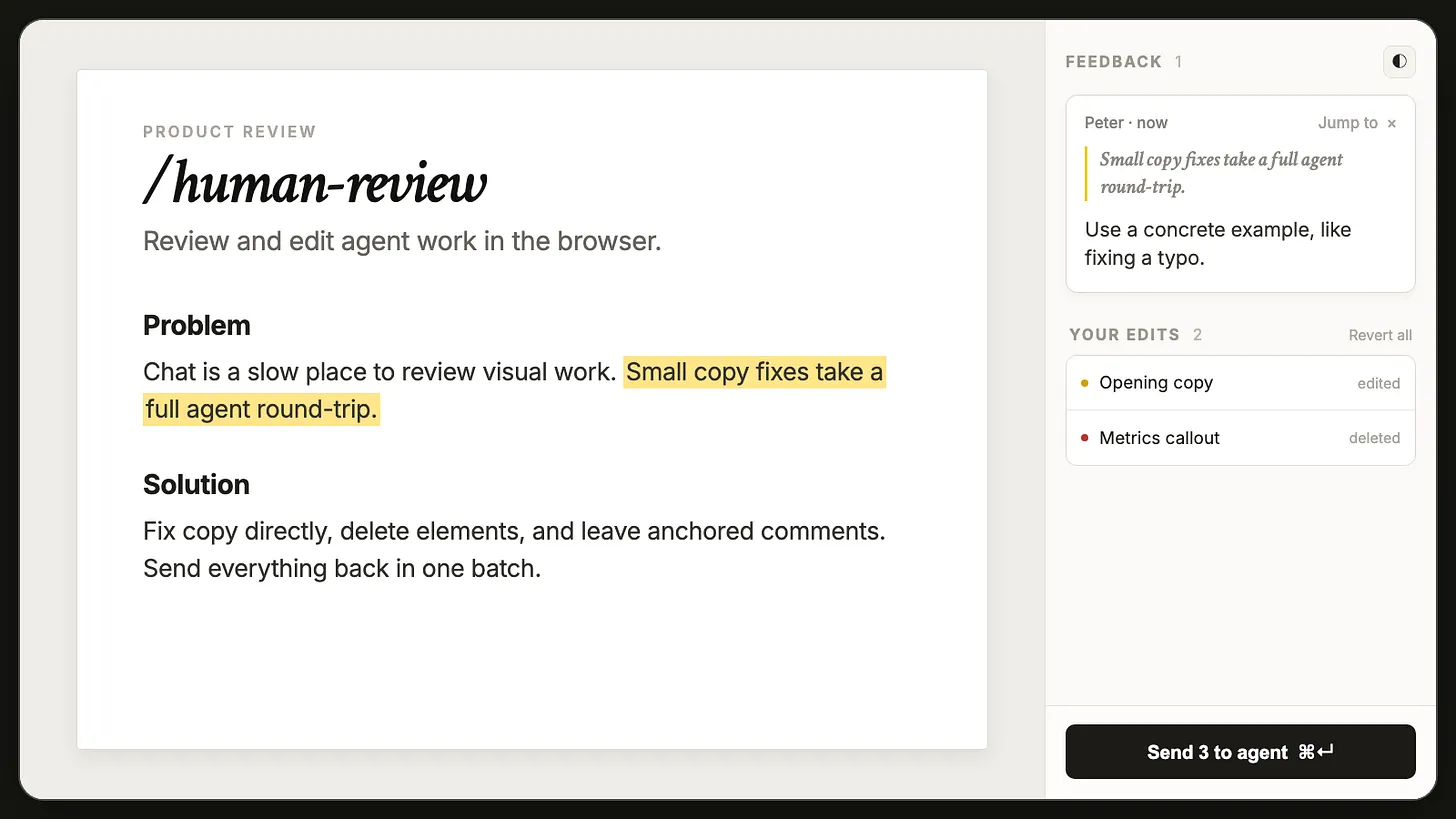
Skill + local tool to review HTML and Markdown like a Google Doc: edit text, drag blocks, comment on elements, then send every change to your coding agent in one batch.

 InsForge 13.1k · 2 days ago
All-in-one open-source backend for agentic coding: Postgres, auth, storage, edge functions, model gateway and site hosting — your coding agent operates it over MCP.
 angel291592 507 · today
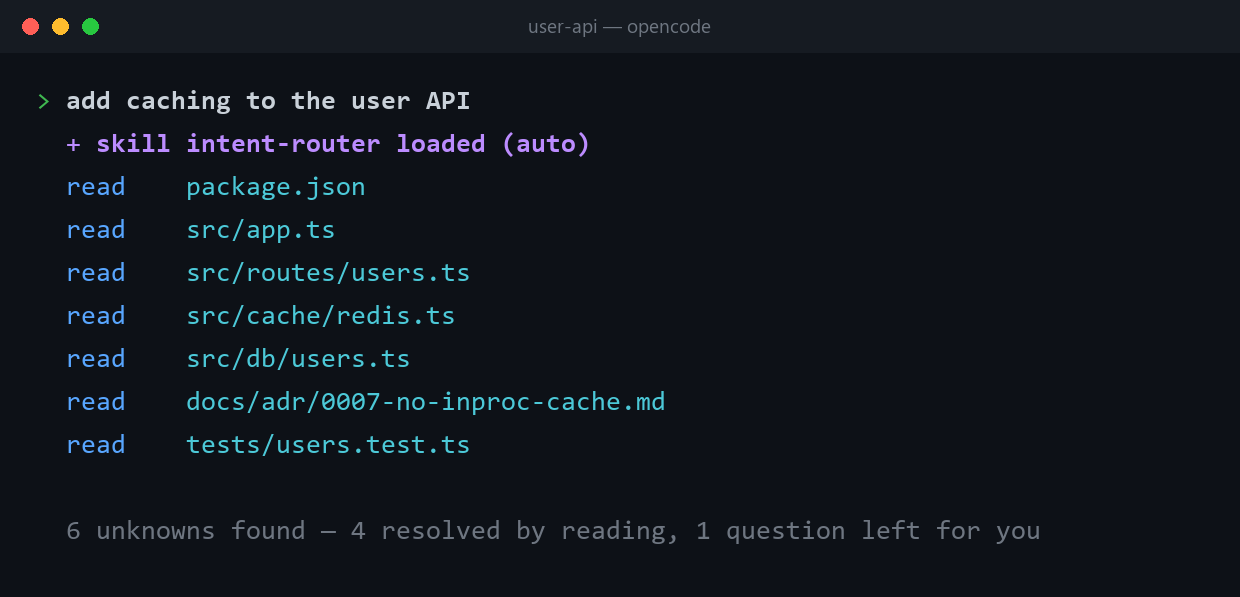
Intent compiler skill for coding agents: probes your repo, asks only what no file answers, halts on ambiguity, and emits a typed IntentSpec it later checks the delivered work against.

 1jehuang 20.8k · today
Rust coding-agent harness built for footprint: ~28MB per session vs 140-390MB for Codex/Claude Code, instant boot, optional local embeddings — made for running many sessions in parallel.
 dzhng 2.7k · yesterday
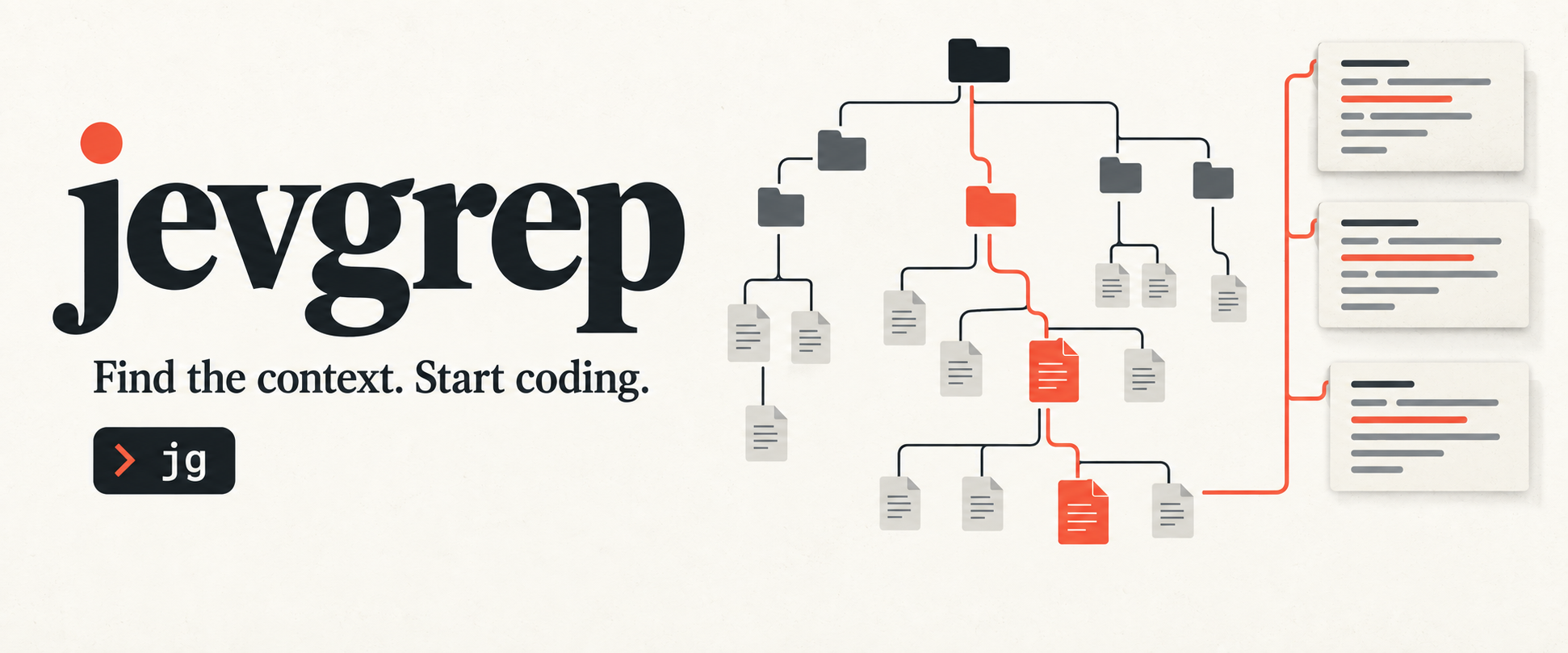
Find code by asking what it does: `jg` uses the Jev decision model to judge folders, files and declarations, returning relevant files plus verbatim excerpts for coding agents. CLI + skill.
 walkinglabs 19.9k · 14 days ago
Project-based course on harness engineering for coding agents: 14 lectures, 8 projects on tools, state, verification and loops, plus breakdowns of Claude Code, Codex and Pi. 15 languages.

 cobusgreyling 11.5k · today
Reference repo plus npm CLIs (loop-init/audit/cost) for loop engineering: designing scheduled, gated control loops that prompt and orchestrate AI coding agents — Grok, Claude Code, Codex — over time.

 Fast-Editor 629 · 2 days ago
Self-hosted LLM gateway wrapping Claude Code, Cursor or Codex with zero code changes — strips unused tools, compresses JSON tool results ~88%, semantic-caches, tier-routes easy work to local models.
 alinaqi 707 · 2 days ago
Claude Code config pack + optional local harness: TDD-enforcing hooks, 67 skills, quality gates, persistent memory — plus a dashboard routing each task across 13 models by cost-aware blast score.

 yetone 13.2k · today
Pick any model for any coding agent from one menu-bar app: a local gateway translating OpenAI, Anthropic and Gemini APIs, with subscription sign-ins and quota failover across accounts.

 apache 5.8k · today
Apache-incubating agent workspace where the append-only run log IS the runtime: desktop, TUI, CLI and Eval are thin clients of one host, and every harness benchmark ships with per-task records.
 0xK3vin 725 · 5 months ago
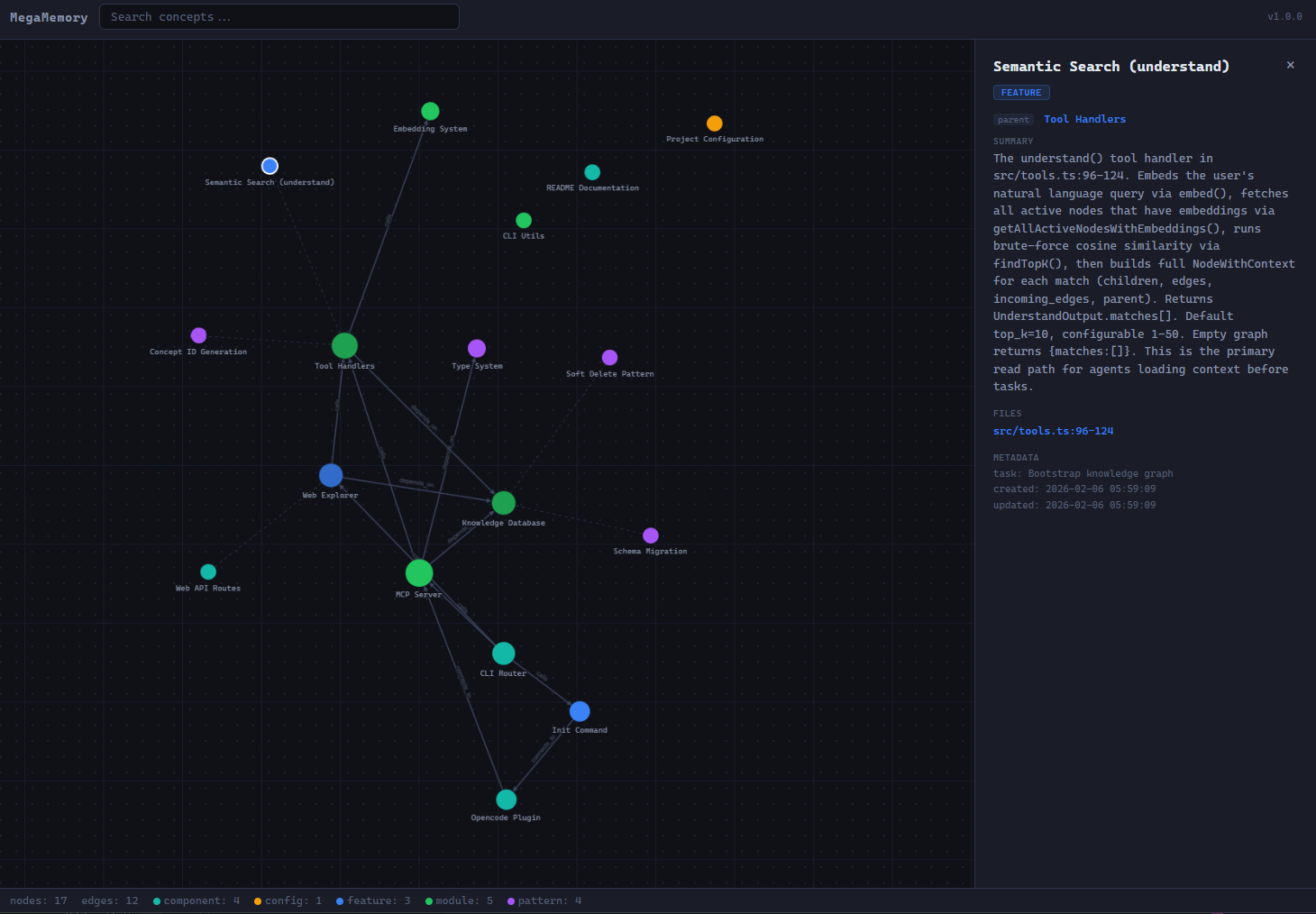
MCP server that lets a coding agent build and query a typed concept graph of the project — SQLite store, in-process embeddings, merge-conflict resolution and a local web graph explorer.

 zilliztech 2.7k · 6 days ago
Zilliz's unified memory for coding agents: one Markdown + Milvus store shared across Claude Code, Codex, OpenCode and OpenClaw — hybrid search, plus repeated workflows distilled into skills.

 SWE-agent 8.5k · 3 days ago
The 100-line agent from the SWE-bench team: >74% on SWE-bench Verified with no tools but bash, no config sprawl — the reference minimal harness, adopted by Meta, NVIDIA and Ramp.

 strukto-ai 3.7k · today
Unified virtual filesystem for AI agents — mounts S3, Slack, Gmail, Postgres and ~50 backends as one tree so any bash-speaking LLM can grep and pipe across services. Snapshotable, embeddable.
 okf-memory 799 · 3 days ago
Git-native agent memory on Google's OKF v0.2: Markdown+YAML concepts in knowledge/, a zero-dep Go CLI/MCP with <300µs BM25 search, provenance and trust tiers.
 AmazingAng 751 · 1 months ago
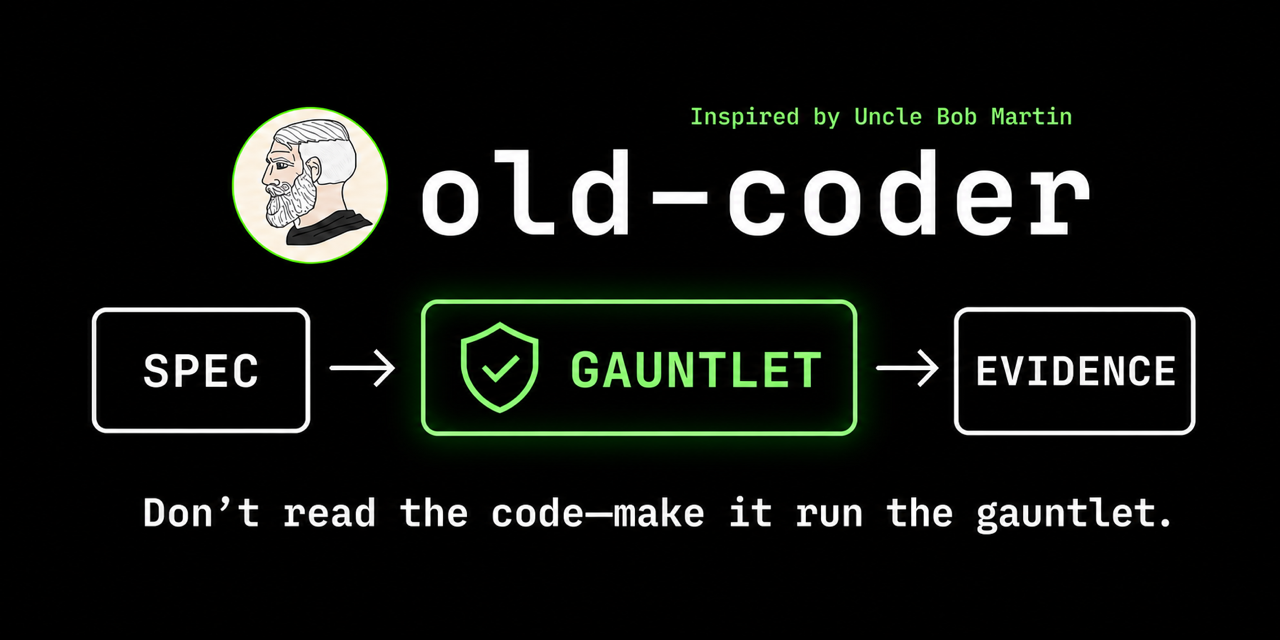
Uncle Bob's strategy as a skill: the agent writes a SPEC you approve, then runs a gauntlet — tests, mutation, property-based, coverage, supply chain — and hands you an evidence report instead of code.

 omnigent-ai 10.8k · today
Open-source meta-harness over Claude Code, Codex, Cursor, OpenCode, Hermes, Pi and custom agents: swap harnesses without rewriting, enforce policies and sandboxes, follow sessions from any device.
 diegosouzapw 76.8k · today
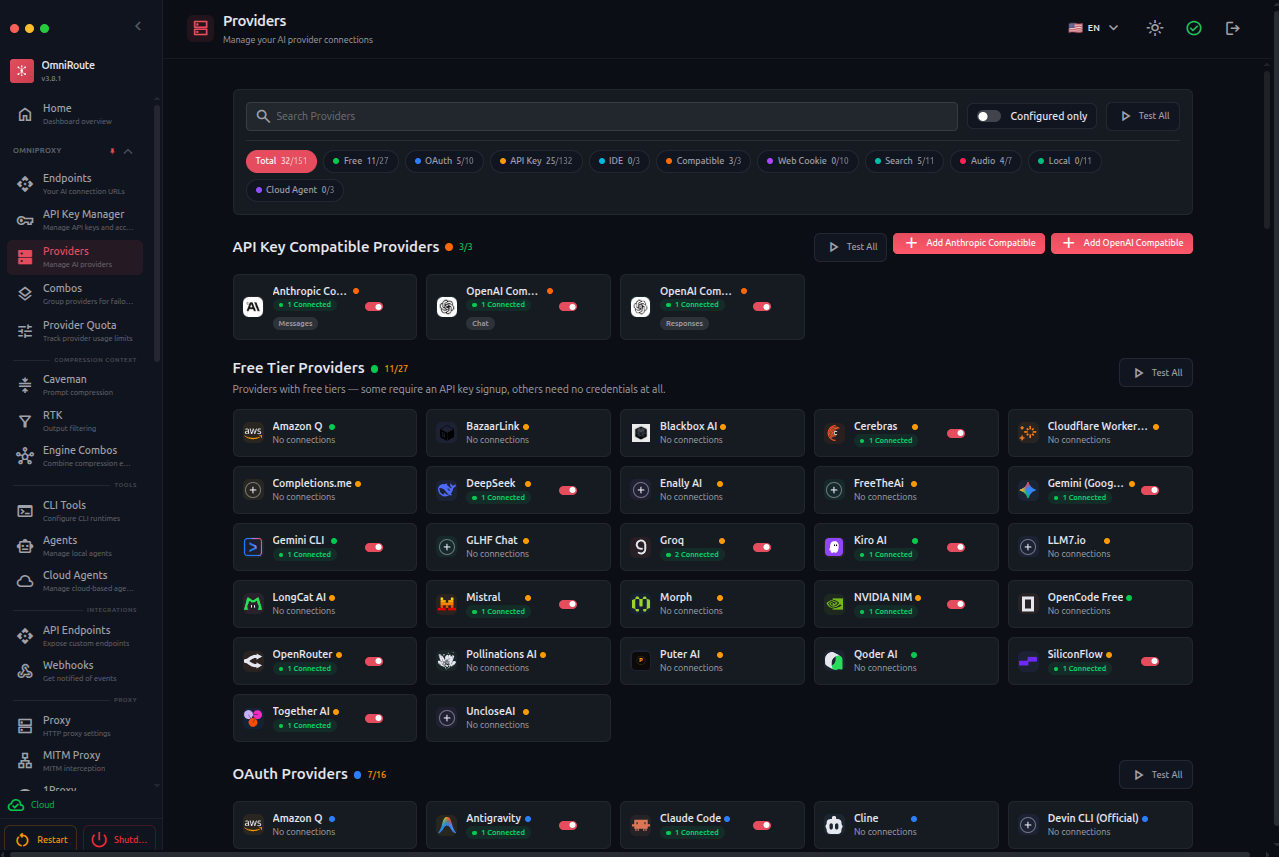
Free MIT AI gateway for coding CLIs: one endpoint over 352 providers (150+ free tiers) and 1,200+ models with quota-aware auto-fallback, RTK+Caveman token compression, MCP/A2A and a desktop app.

 wlsdks 143 · yesterday
Desktop app plus MCP server keeping a codebase's ontology as reviewable Markdown in the repo: domains and capabilities linked to code evidence, compiled to a graph for blast-radius queries.

 alibaba 47.3k · today
Alibaba's battle-tested AI code-review CLI: deterministic pipelines + LLM agent, line-level comments, tuned rulesets (NPE, XSS, SQLi) — higher precision than general agents at ~1/9 the tokens.

 tickernelz 1.7k · 2 days ago
OpenCode plugin giving coding agents persistent cross-session memory — local SQLite + vector search, automatic memory capture, user-profile learning, and a web UI. Nothing leaves your machine.
 tinyhumansai 42k · today
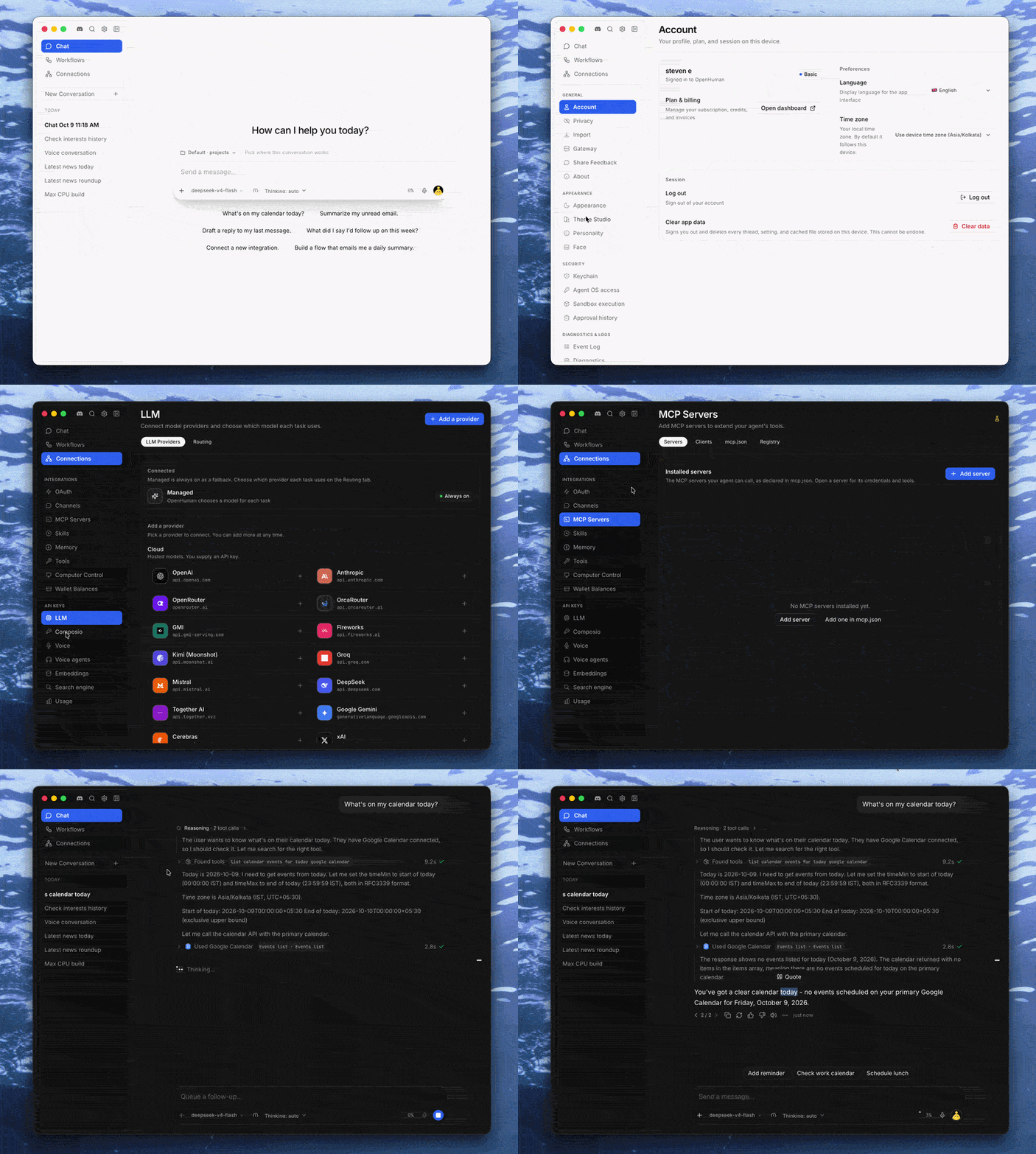
Rust agent harness built for fleets: desktop app, terminal or embeddable library, with built-in memory, browser/desktop control, 119 OAuth apps and 14 channels — 500 agents on a $10 VPS.
 openinterpreter 68.6k · 4 days ago
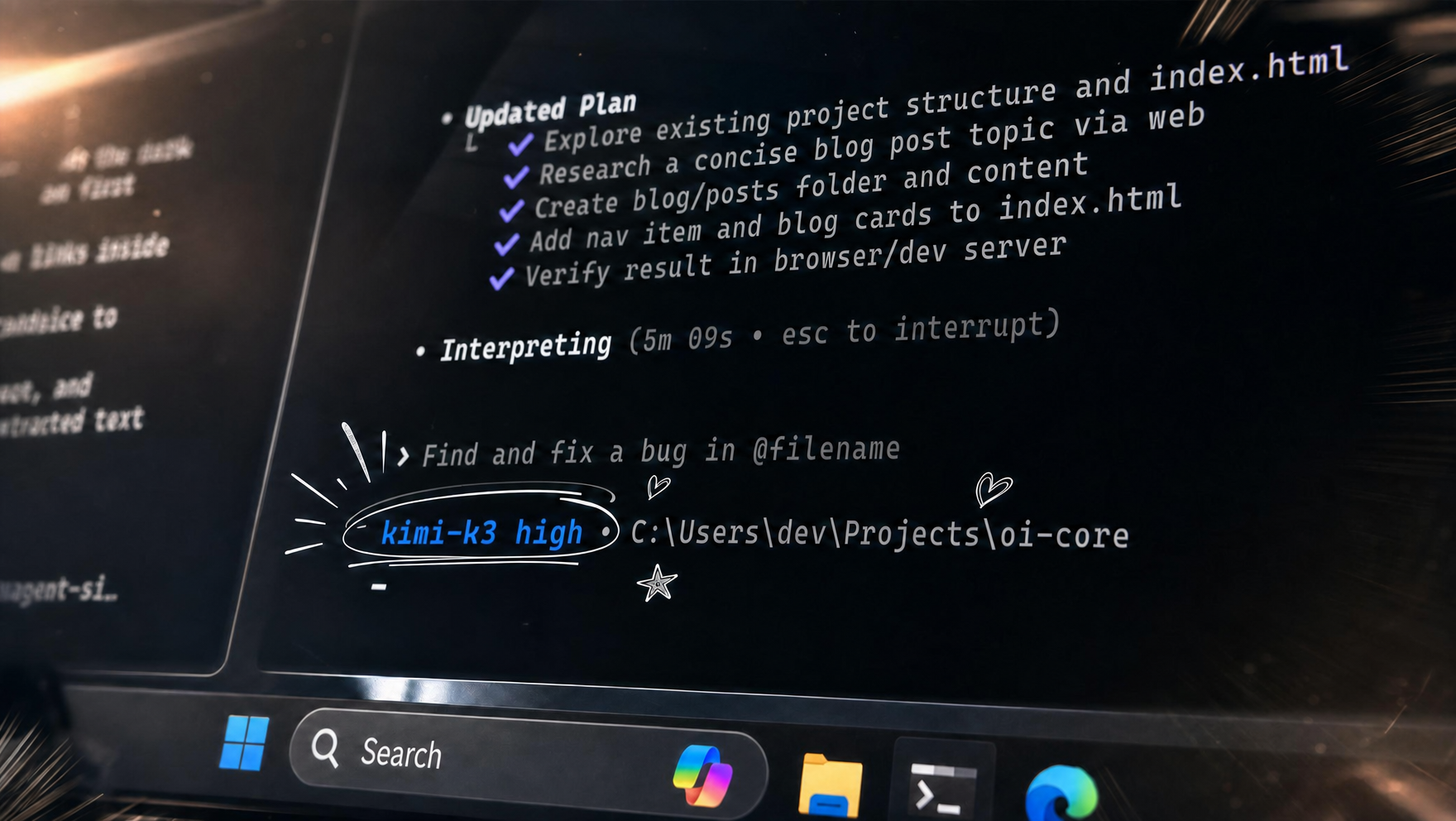
Terminal coding agent optimized for low-cost open models — a Rust Codex fork with switchable harness emulation (claude-code, kimi-code, qwen-code…), ACP support and Codex SDK compatibility.

 Continuum-AI-Corp 285 · 14 days ago
Time travel for coding agents: a local proxy records any run (Claude Code, Codex, SDKs, even TLS-only harnesses), replays it byte-for-byte offline, and forks from any step onto a different model.

 DietrichGebert 164k · today
A skill that makes your agent code like the laziest senior dev: YAGNI enforced — ~54% less code, ~20% cheaper, ~27% faster on measured Claude Code sessions. Works with 20 agents.
 PrimeIntellect-ai 22k · today
Self-improving coding/research agent around a Recursive Language Model: persistent IPython as the core tool, programmatic subagents, durable harness state it refines via evidence-backed /refine.
 rohitg00 2.9k · 16 days ago
One SQLite store under every Claude Code session: corrections become FTS5-searchable rules that auto-load, research grows persistent wikis, and 37 hook scripts add quality gates.
 OnlyTerp 115 · 1 months ago
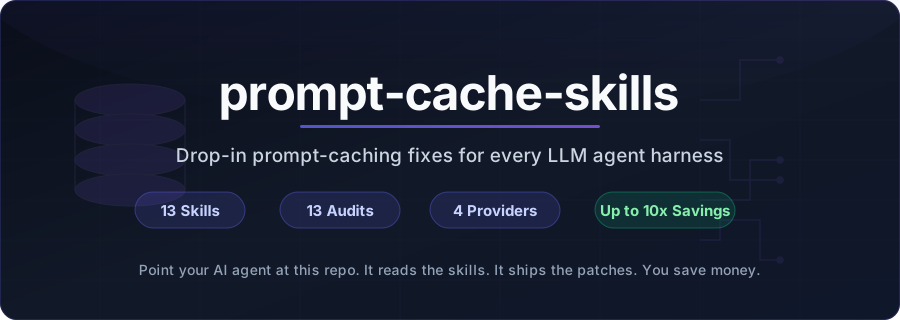
13 drop-in skills that fix prompt-caching bugs in OSS agent harnesses (Cline, Roo, Continue, OpenCode, Aider) — point your coding agent at the repo, it patches and verifies on the wire.

 pullfrog 1.3k · 2 days ago
Open-source, model-agnostic GitHub bot: tag @pullfrog on any issue or PR and your own coding agent (BYOK) runs the task inside GitHub Actions, context via an internal MCP server.
 nguyenphutrong 4.9k · yesterday
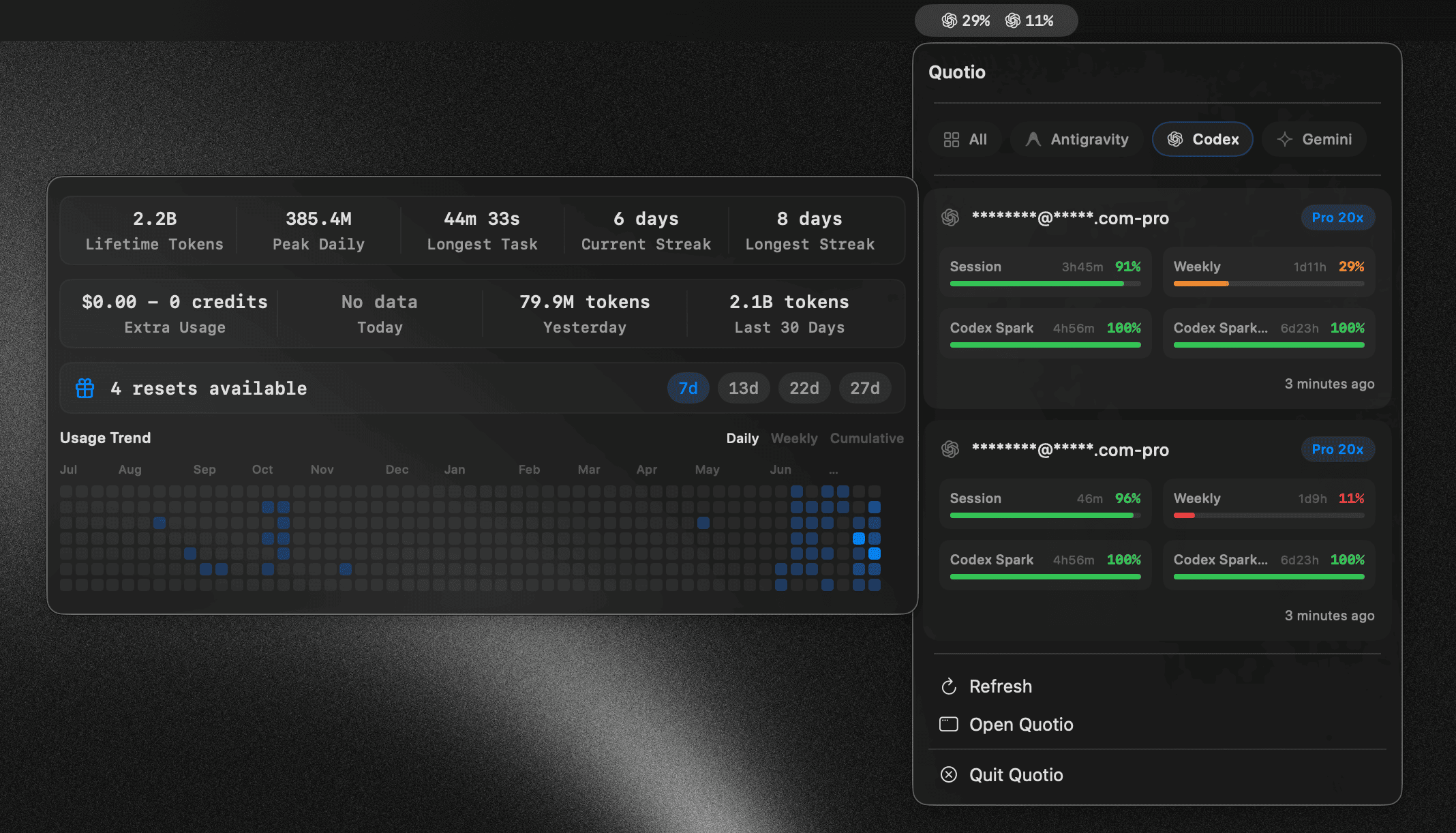
Native macOS menu-bar front-end for CLIProxyAPI: pool your Claude, Codex, Qwen and Copilot accounts behind one local proxy with live quota bars, auto-failover and one-click CLI wiring.
 redhat-et 2.4k · today
Red Hat's 'ripgrep of AI context': a zero-dependency C++23 CLI + MCP that hands a coding agent a ranked call graph — what to touch, blast radius, tests to run — with no index server.
 rtk-ai 83.4k · today
Rust CLI proxy compressing dev-command output 60-90% before your agent reads it — git, tests, linters, docker, 100+ commands; hooks auto-rewrite bash calls. Single binary, <10ms overhead.

 oraios 30.3k · today
The IDE for your coding agent: an MCP toolkit giving symbol-level retrieval, editing, refactoring and debugging over real language servers — or a JetBrains plugin backend.
 rohitg00 1.6k · 4 months ago
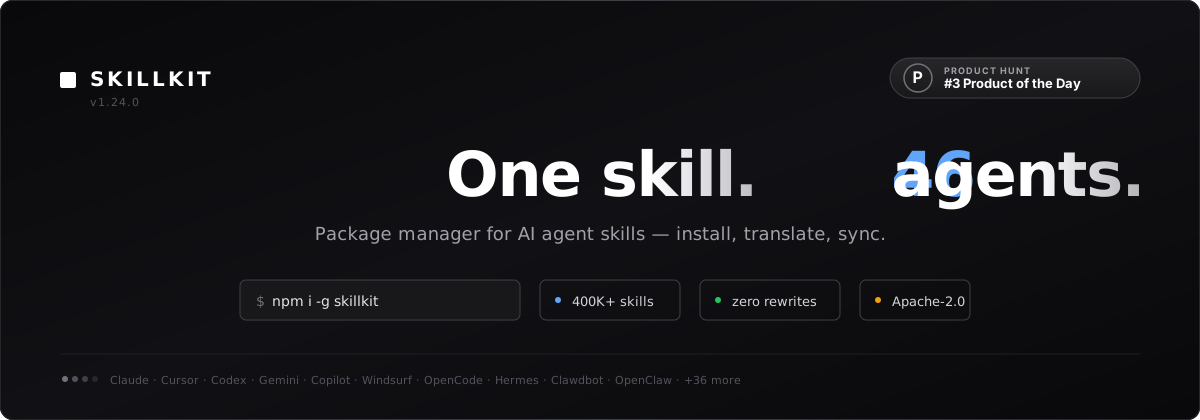
Package manager for AI agent skills — install from 400K+ skills across 31 sources, auto-translate between 46 agents' incompatible formats, security-scan on install, sync to every agent at once.
 NVlabs 3.5k · today
NVIDIA's Pi extension with four auto-research-discovered efficiency mechanisms - action fusion, observation packing, evidence-preserving log reduction, online context compaction - all opt-in.
 specula-org 534 · 6 days ago
Agentic formal verification: coding agents write TLA+ specs and invariants of your distributed system, model-check them, and reproduce violations at code level. arXiv paper + public bug list.
 mco-org 829 · 4 months ago
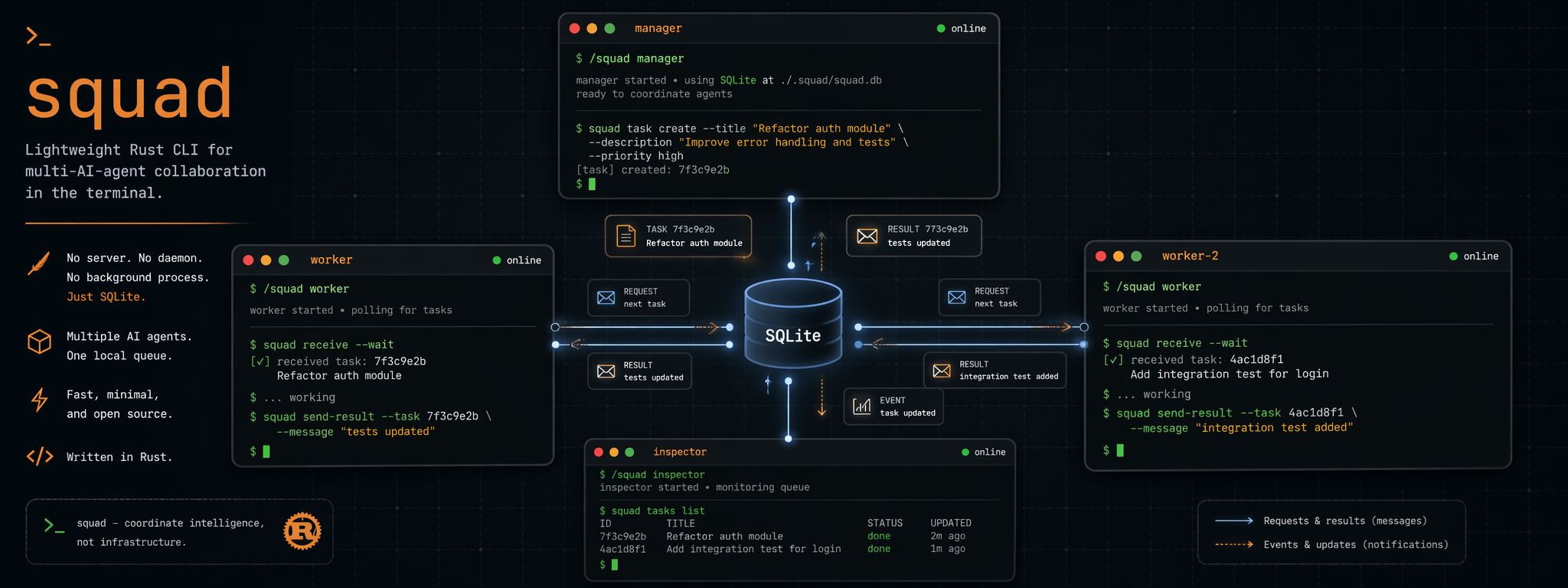
Multi-agent terminal collaboration for AI CLIs: a manager, workers and an inspector — Claude Code, Gemini, Codex, OpenCode — coordinating through one-shot shell commands and SQLite. No daemon.
 iusztinpaul 204 · yesterday
Claude Code plugin that turns a feature spec into a reviewed PR through a 5-agent pipeline — PA → SWE → Tester → PR-Reviewer → On-Call — with exactly two human gates.
 statewright 506 · yesterday
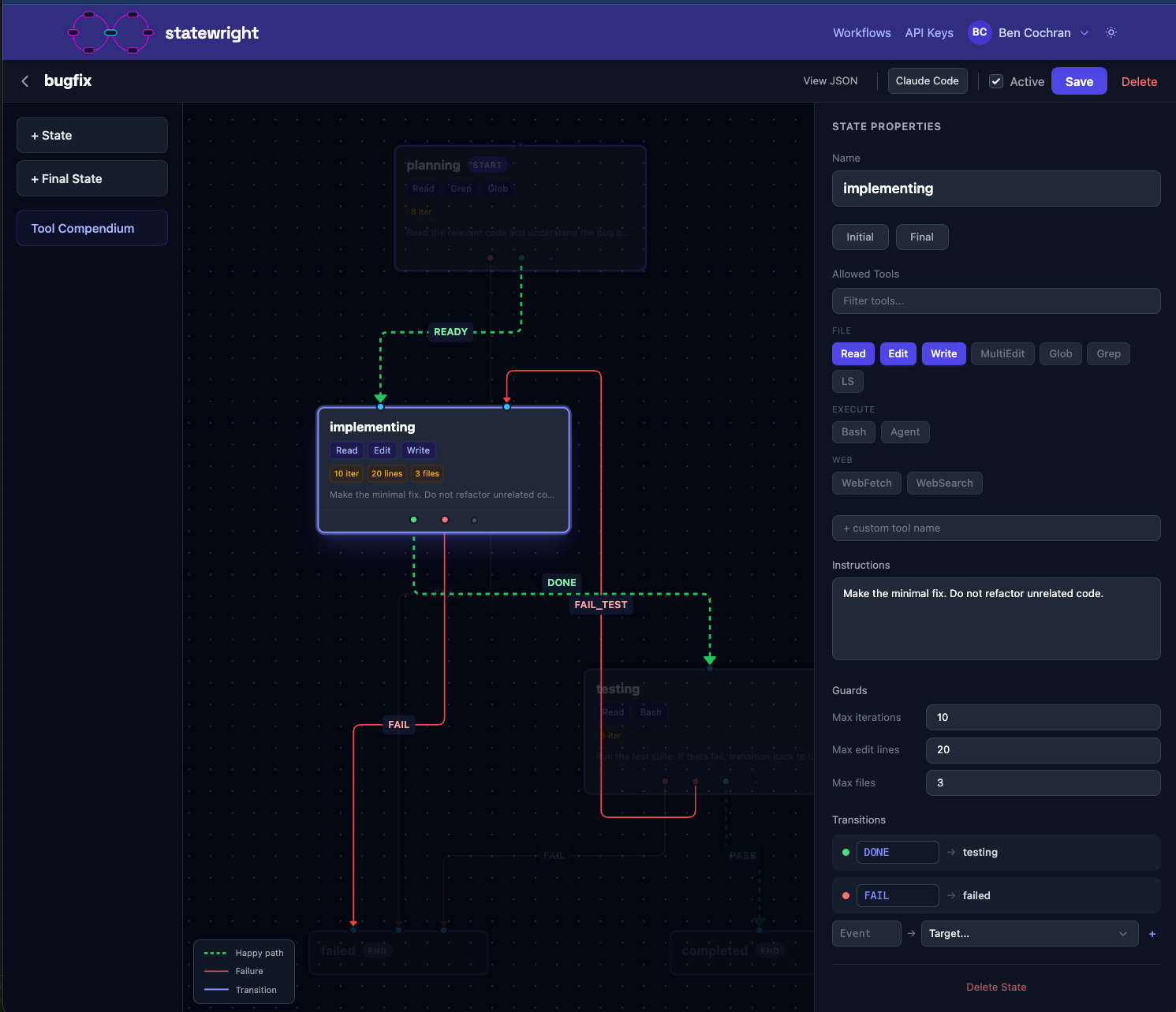
State-machine guardrails for AI agents: define workflow phases once and only that phase's tools unlock — enforced across Claude Code, Codex, Cursor, opencode and Pi. Rust.

 supercorp-ai 155 · today
Code quality and coverage for coding agents: a Rust CLI that scores files with Jev, runs your existing test command, and turns uncovered paths into small actionable targets.
 rohitg00 265 · 7 months ago
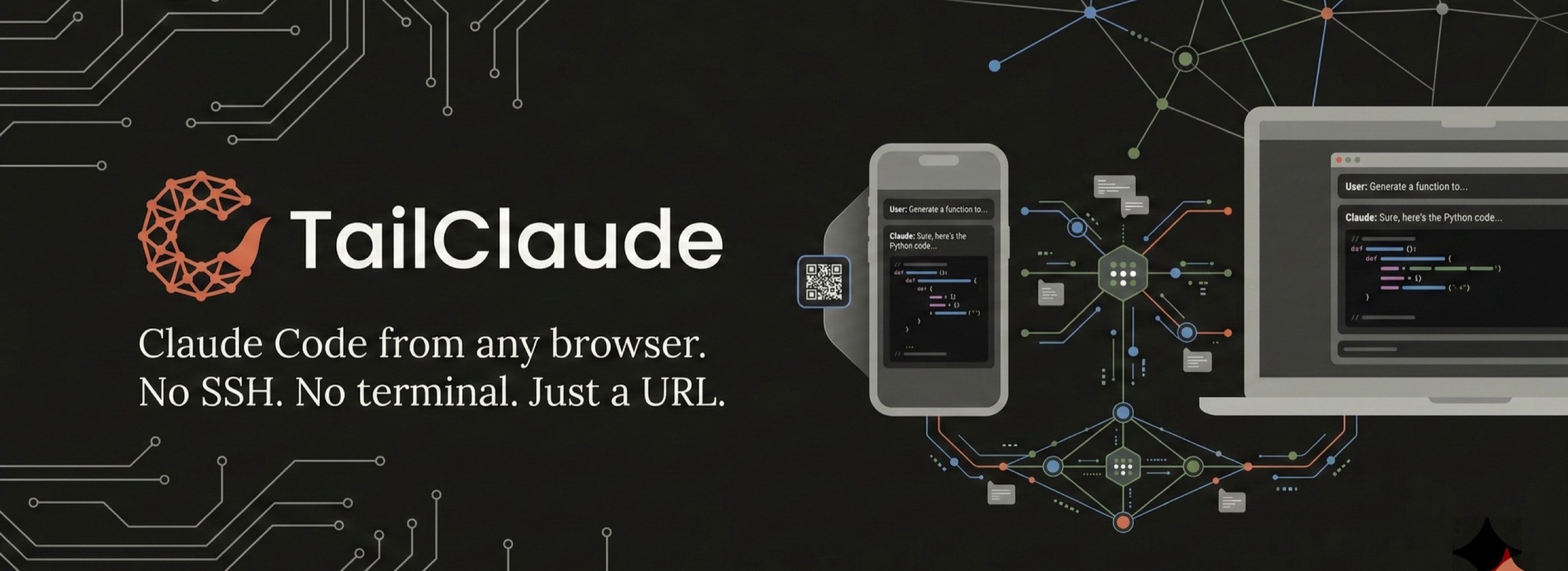
Claude Code from any browser via your Tailscale tailnet — streaming chat UI, session history, model switching and cost dashboards; no SSH, no terminal.
 kelviq 296 · 1 months ago
Claude Code skill that reads your local session logs and answers 'where did my tokens go' in plain English: deduplicated totals, cost charged to the tool that caused it, 5-hour window state.
 huggingface 3k · yesterday
Hugging Face's Python port of Pi's minimalist coding agent: a real terminal agent with TUI, sessions and skills — built to be READ, with a clean brain/environment/frontend separation.

 Tencent 5.5k · today
Tencent's team-level agent config manager: skills, rules, agents, hooks, MCP and env live in a shared git repo and sync into Claude Code, Codex, Cursor, CodeBuddy, OpenCode and more on every session.
microsoft 3.5k · todayMicrosoft's trigram-indexed grep: a client/server index narrows each regex to candidate files. Powers search in GitHub Copilot CLI; ships MCP tools and hooks for Codex and pi. Rust.
 russelleNVy 953 · 4 months ago
A disciplined 3-agent dev process as context files — Architect plans, Builder builds the brief, Reviewer gates — running in one Claude Code session via subagents. Token-frugal by design.
 alexgreensh 2.6k · today
Context-waste hunter for coding agents: hooks compress reads, bash and search output, checkpoint before compaction, and audit waste in configs, skills, MCP and memory — with a local dashboard.

 mindfold-ai 15k · 16 days ago
Spec, task and memory layer that lives in your repo: .trellis/ holds conventions, PRDs and journals, auto-injected each session — one workflow across 20 coding-agent platforms.

 context-labs 1.1k · 3 days ago
WhipCode: open-source coding agent in Go built on a recursive language-model loop; agents delegate to sub-agents through short programs, with daemon-owned sessions across desktop, TUI and web.

 max-sixty 9.2k · today
wt: the Rust git-worktree CLI built for parallel AI agents - worktrees addressed by branch name, `wt switch -c -x claude feat` creates one and starts an agent, plus hooks, list-with-status and merge.
 the-open-engine 2k · today
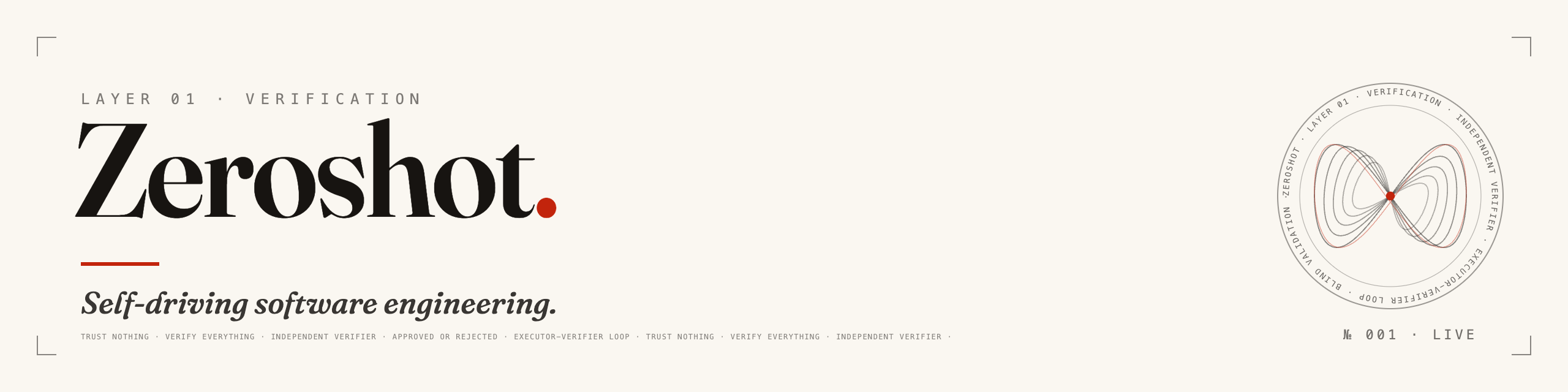
Executor–verifier orchestration for code changes: a conductor classifies the task, an executor works in an isolated worktree, and a separate verifier must reproduce the evidence — looped to approval.